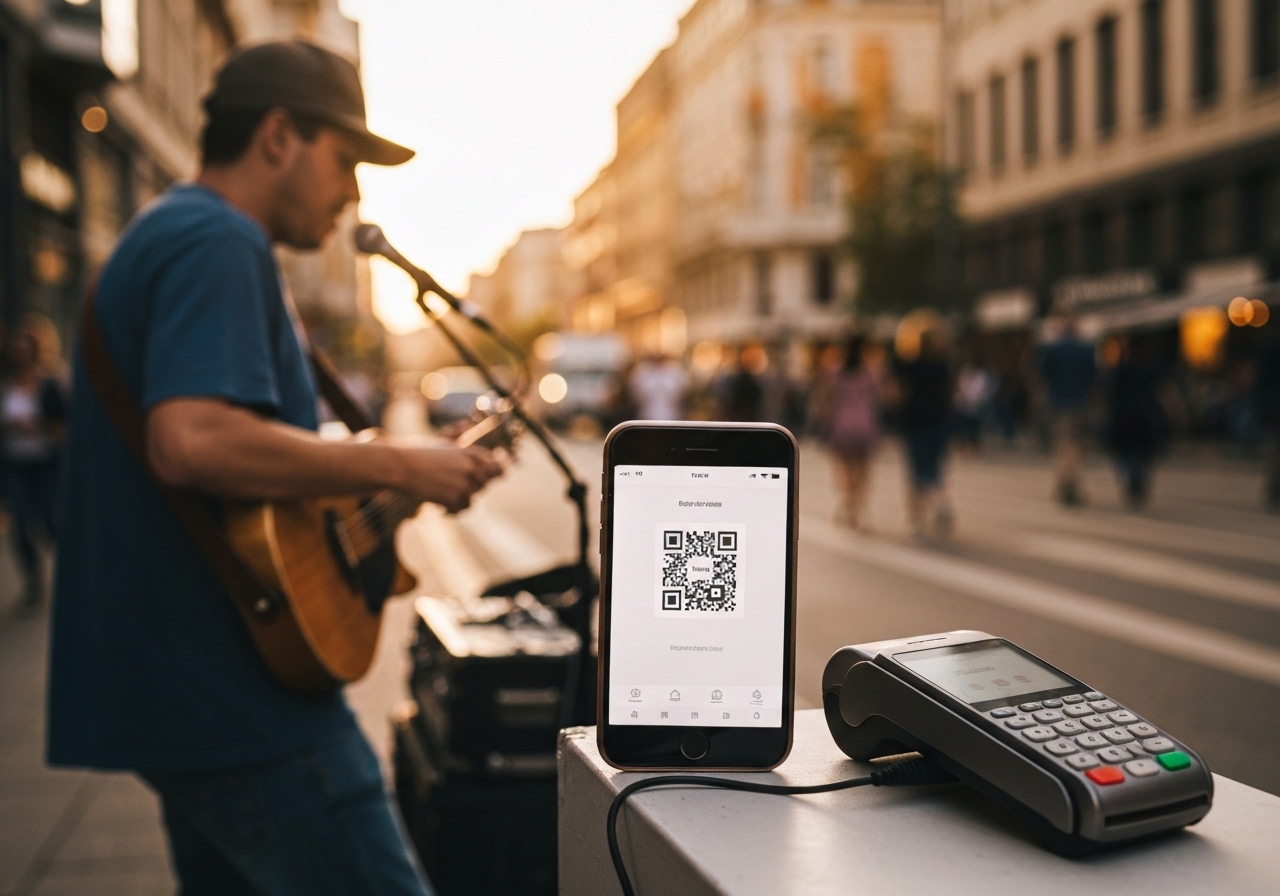
5 Modern Street Performer Payment Methods to Boost Earnings
You have just finished the perfect set.
The crowd was engaged, heads were bobbing, and you felt that unmistakable connection that only live performance creates.
People start to walk away. They are smiling.
They enjoyed the show. But your guitar case is looking a little lighter than it used to.
It is not that they don't want to support you. The reality is simply changing. In 2025, carrying cash is becoming as rare as a vinyl record in a backpack.
We are seeing a massive shift in how audiences interact with artists. The days of tossing coins into a hat are fading, replaced by the quick scan of a smartphone.
If you are not adapting to modern street performer payment methods, you are leaving money on the sidewalk.
This isn't just about technology. It is about survival and growth for buskers, magicians, and living statues everywhere.
Transitioning to digital tipping opens up doors we couldn't imagine ten years ago.
It allows you to collect tips from tourists who don't have local currency.
It lets you connect with fans who want to follow your journey long past the street corner.
We are going to walk through the most effective strategies available today.
From simple apps to dedicated hardware, these solutions are designed to keep your art sustainable.
You might be wondering which option is right for your specific act. The good news is that you don't have to be a tech wizard to set these up.
Most of them are plug-and-play.
Let's dive into the tools that are reshaping the street performance landscape.
The Decline of Cash and the Rise of Digital Busking
The transition has been happening for years, but the acceleration recently is undeniable. Street performers face a unique challenge in this cashless society.
Impulse is your best friend when busking. The decision to tip happens in a split second. If a spectator reaches into their pocket and finds nothing, that moment is gone.
Research indicates that digital solutions are reclaiming these lost opportunities. According to industry insights, street performer payment methods that utilize cashless options can significantly increase revenue by capturing tips that would otherwise be missed.
It is not just about the money, though that is obviously crucial. It is about the friction. You want to remove every possible barrier between your audience's appreciation and your bank account.
Cashless tipping also offers safety benefits.
Carrying large amounts of loose change or bills can make performers targets. Digital earnings go straight to the cloud, safe and secure.
Furthermore, digital interactions provide data. You can see when you earned the most, which locations perform best, and even track the growth of your fanbase over time.
We have analyzed the landscape to bring you the top strategies.
These are not theoretical concepts. They are practical tools used by successful buskers around the globe right now.
You need to be ready to accept support in whatever form it comes. Whether it's a credit card tap or a quick scan, flexibility is the name of the game.
1. QR Codes: The Global Standard for Instant Tipping
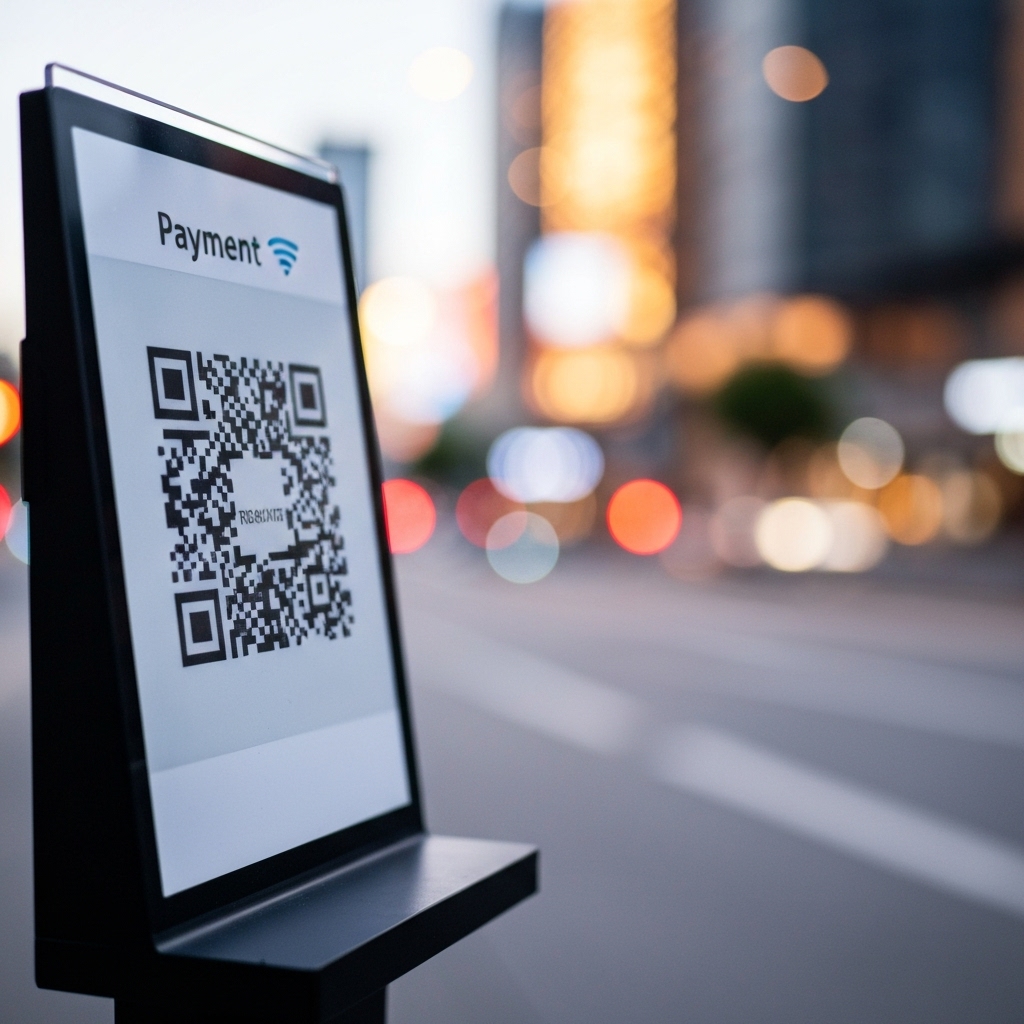
If there is one king of the modern busking scene, it is the QR code.
It is universal. It is fast. And it requires zero hardware investment.
Using QR codes stands out as the simplest and most popular modern payment method for street performers due to its low barrier to entry. Everyone with a smartphone knows how to use one.
Kiosque QR: More Than Just a Payment Link
This is where we come in. At Kiosque QR, we recognized early on that a simple payment link isn't enough. You are an artist, not a vending machine.
A standard QR code might just send someone to a PayPal page. That works for money, but it fails at building a relationship.
What if that person wants to follow you on Instagram?
What if they want to see your next show dates?
Our solution allows you to create a personalized artist page in under a minute. When a fan scans your code, they land on a beautiful, mobile-optimized "digital business card."
📸 kiosque.qr.com 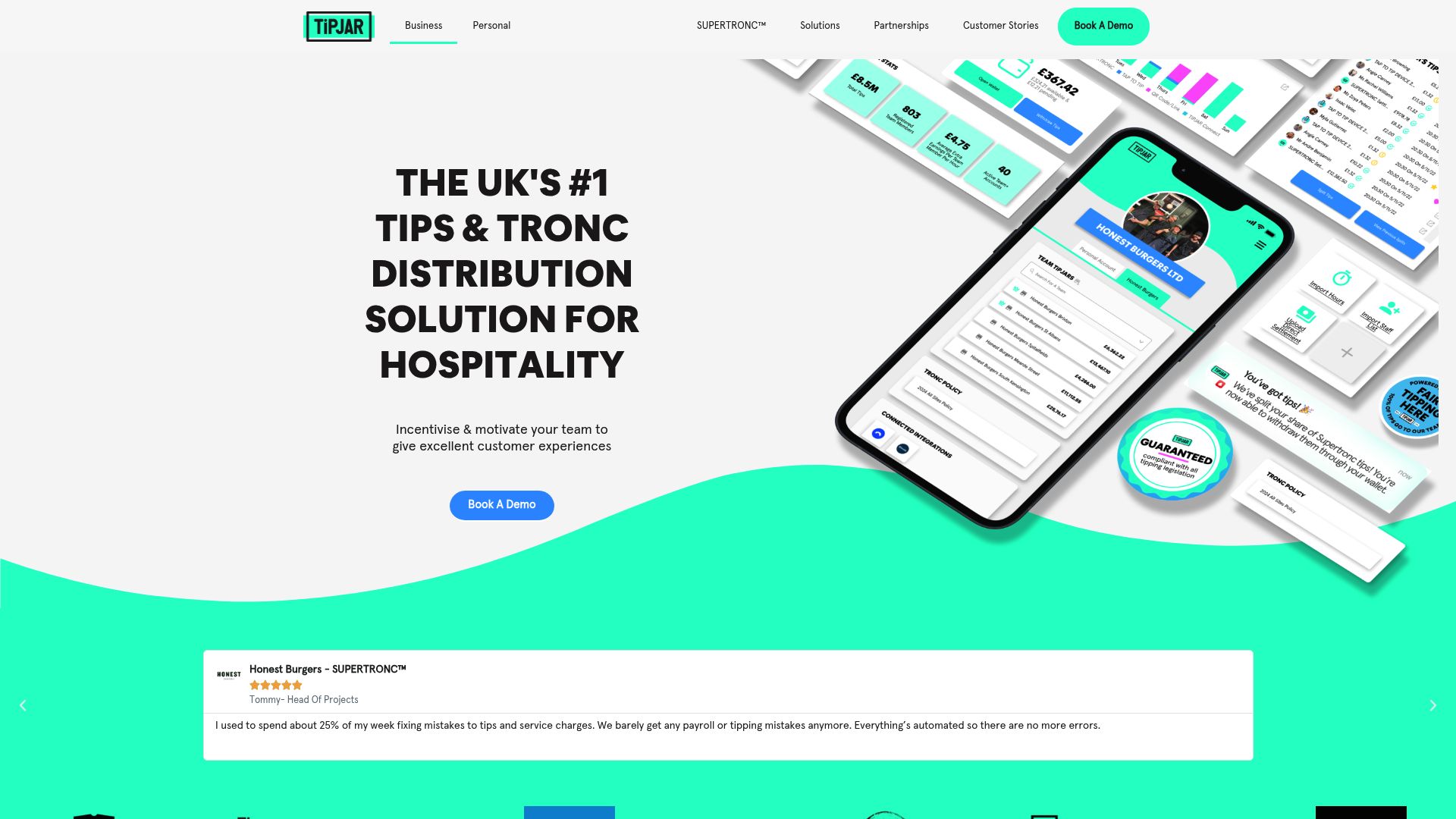
From this single page, they can tip you, follow your socials, and listen to your tracks. It transforms a one-time transaction into a long-term connection.
The beauty of this system is simplicity. You don't need coding skills.
You don't need to carry a card reader that needs charging. You just print your unique code and display it.
It acts as a central hub. Instead of having five different signs for Venmo, CashApp, and Instagram, you have one clear, professional focal point.
The Universal Appeal
Tourists are a huge part of the street performance ecosystem.
Many of them might not have the specific payment app popular in your country (like Venmo in the US). However, almost everyone has a camera and a web browser.
Our research shows that linking directly to utilizing flexible platforms minimizes the confusion for international audiences.
You want to cast the widest net possible.
Placement matters. You should have your QR code visible on your instrument case, on a dedicated sign, and perhaps even on your clothing if it fits your aesthetic.
And don't be shy about mentioning it. Honestly, a simple "Hey, if you enjoyed the music, feel free to scan the code to support me and stay in touch" can work wonders. It actually gives people a green light to pull out their phones, which is something they might otherwise hesitate to do.
2. NFC Tap-to-Tip Devices
Look, when a crowd is on the move, every second counts.
Think about it: scanning a code and punching in card details might take fifteen seconds.
For a commuter rushing to catch a subway, that's about ten seconds too long.
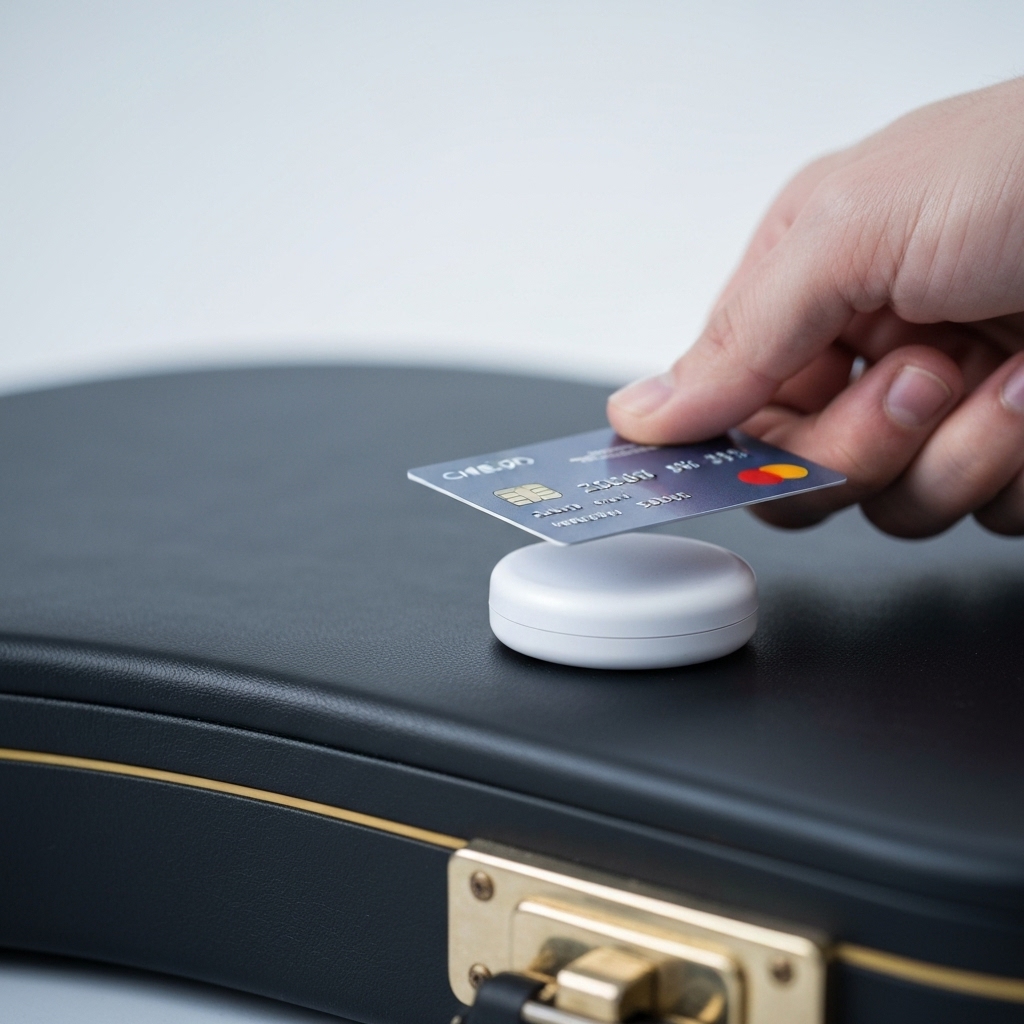
And that's where something called Near Field Communication (NFC) really shines.
If you’ve ever used Apple Pay or tapped your credit card at the grocery store, you already know what it is.
Some companies, like TiPJAR, have actually built standalone devices just for this. You can find portable NFC stickers or readers, like what TiPJAR offers with its Tap To Tip, that allow audiences to simply tap their card and walk away.
How It Works
How's it work?
You just set a fixed tip amount, maybe something small like $2 or $5, and the device either shows it on-screen or has it clearly labeled.
All the person has to do is tap their card or phone on the device, and a little beep confirms the tip.
And that's it. No fumbling to unlock a phone, no typing, zero friction.
It's a game-changer for really busy spots where people are mostly just walking by instead of stopping for the whole set.
Pros and Cons
The primary advantage is speed. It is the closest digital equivalent to throwing a coin in a hat. It requires zero cognitive load from the donor.
However, there is a hardware cost. Unlike a printed QR code, you have to buy the device. You also need to ensure it is charged and has a data connection, though some operate offline and sync later.
Another consideration is the fixed amount. While convenient, it limits the generosity of someone who might have wanted to give $20 rather than the pre-set $5. Some performers use two devices with different amounts to solve this.
Despite the hardware requirement, for serious performers in busy metros, the investment often pays for itself quickly through volume of tips.
3. Contactless Card Readers
Somewhere between the passive QR code and the instant NFC tag lies the traditional mobile point-of-sale system. We are talking about devices from Square, Zettle, or SumUp.
These readers connect to your smartphone or tablet via Bluetooth. They allow you to accept chip cards, contactless cards, and mobile wallets. Affordable readers from Square or Zettle connect to smartphones to process these payments securely.
Versatility for Merch and Tips
The superpower of this method is versatility. If you are a musician selling CDs, t-shirts, or stickers, a card reader is non-negotiable.
You can set up "items" in the app for your merchandise, and also have an item called "Tip." This allows you to process a sale and a tip in the same transaction.
The UK Musicians' Union has endorsed these types of readers because of their broad compatibility.
They work with almost any bank card from anywhere in the world.
The Setup
Requires a bit more engagement than a simple drop-in-the-hat.
You usually have to hand the reader to the person or hold it out for them to interact with.
Barthelemy de Mazenod / Unsplash 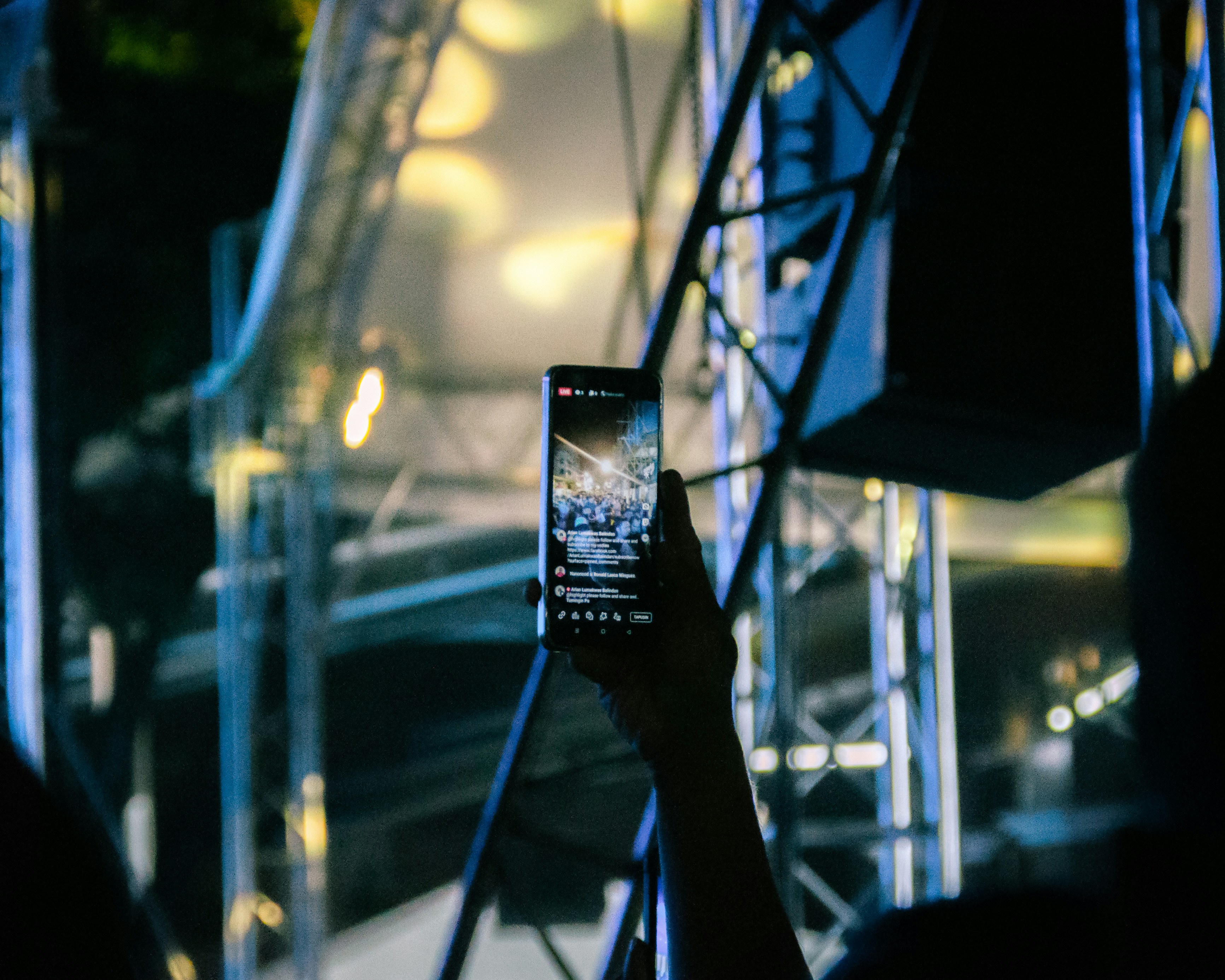
This interaction can be a good thing. It creates a moment of contact (eye contact, smiles) that can lead to a higher tip or a new fan. However, it can also create a bottleneck if ten people want to tip at once.
Just as you clearly arrange your stage, you must arrange your payment station. Organizing your technical setup requires preparation.
Just like construction professionals search for specific machinery on sites like locamat-pro.com to get the job done, musicians need to select the reliable hardware that won't fail them mid-performance.
Battery life is your main concern here. If your phone dies or the reader dies, your shop is closed.
Always carry a power bank.
4. Dedicated Busking Apps
Of course, the tech world has noticed, which has led to some cool niche apps built just for the busking community.
Apps like Buskeroo attempt to create a social network around street performance. Apps generate performer profiles with QR codes or links for tips, but they also do more.
They help fans find where you are playing.
Building a Community
The idea is to put you on a map. Fans can open the app and see who is performing nearby.
This turns busking from a random encounter into a destination event.
These platforms often handle the tipping mechanism within the app itself. The user has a profile, you have a profile, and the value transfer happens internally.
This is fantastic for building a dedicated following of people who appreciate street art specifically.
It elevates the perception of busking from "begging" to professional performance art.
The Challenge of App Friction
The downside is the "download barrier." If a passerby wants to tip you, they likely don't want to download a new app, create an account, and verify their email just to give you two dollars.
These apps work best when you already have a recurring audience, or in cities where the app has achieved critical mass and many people already have it installed.
Andrew Sacriz / Unsplash 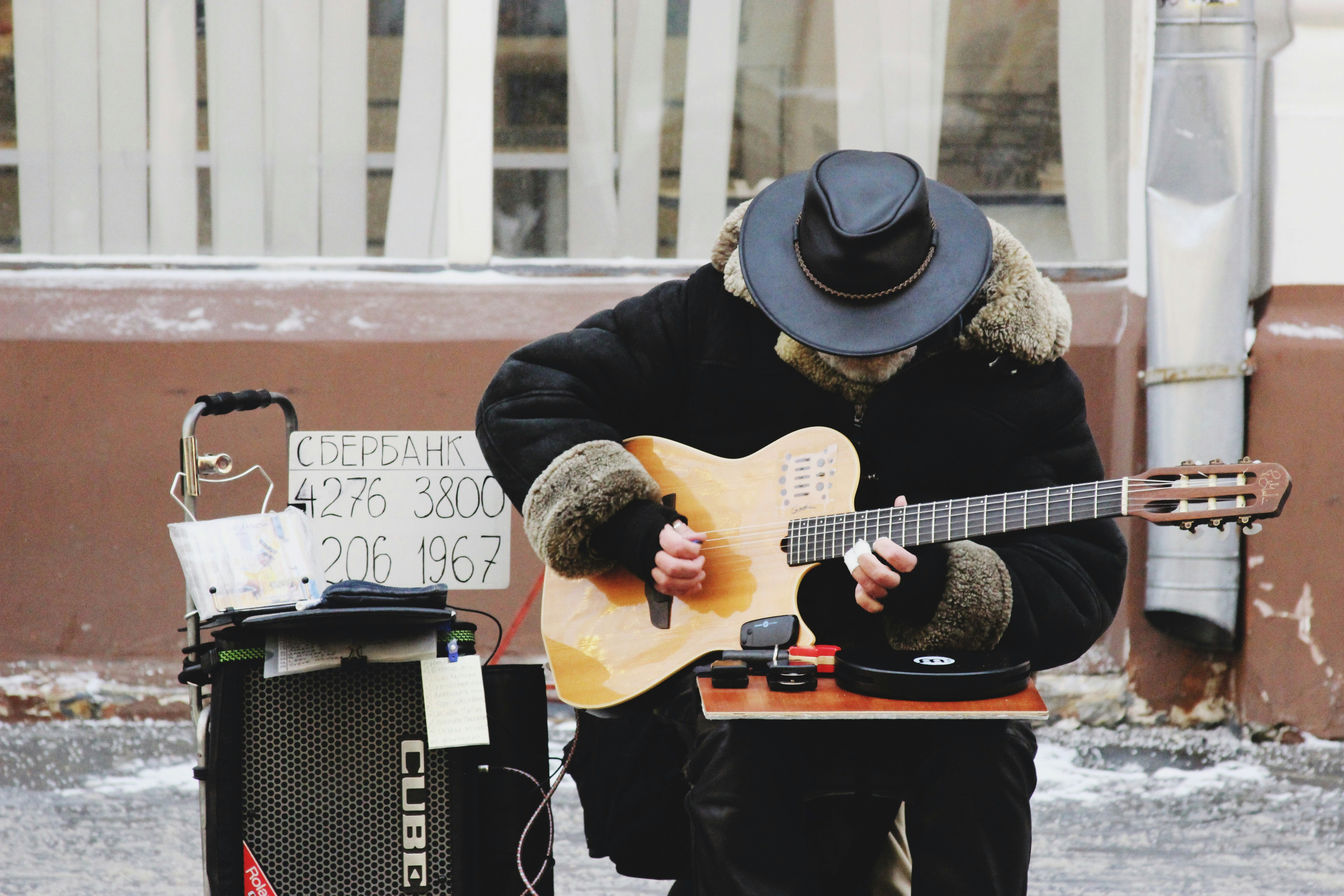
For the casual tourist, this method is often too much work. It is best used as a secondary layer: use QR codes for the quick earnings, and the busking app for the loyalists.
5. All-in-One Payment Platforms
You've got platforms like busk.co or even those customized PayPal.me links that fit in here.
Think of them as a happy medium between a basic QR code and a full-blown artist profile.
At their core, they're just landing pages built to collect money. With all-in-one payment platforms creating self-serve QR links, you can give people options—like preset buttons for $5, $10, or a field to type in their own amount.
Simplicity vs. Branding
These platforms are robust and trustworthy. People recognize the PayPal logo or the Square interface.
That trust is valuable when asking strangers for money.
However, they often lack the "soul" of a dedicated artist page.
A PayPal checkout screen looks like a transaction, not an interaction.
It doesn't tell your story.
This is where the distinction is important. Are you just collecting money?
Or are you building a career?
Street performer payment methods should ideally do both.
If you go this route, just make sure you customize the landing page as much as you possibly can. Add your photo, a thank you note, or a link to your Spotify.
Combining these payment backends with a frontend interface like Kiosque QR essentially gives you the best of both worlds: a beautiful artist profile that links out to these trusted payment processors.
Comparative Analysis of Payment Methods
Choosing the right tool can be overwhelming.
We have broken it down to help you decide based on your specific needs.
| Method | Setup Ease | Hardware Needed | Best For | Key Platforms |
|---|---|---|---|---|
| QR Codes | High | None | Impulse tips, tourists | Kiosque QR, PayPal.me |
| NFC Tap-to-Tip | High | Sticker/reader | Crowds, speed | TiPJAR |
| Contactless Readers | Medium | Reader + phone | Cards/wallets | Square, Zettle |
| Busking Apps | Medium | App + QR code | Profiles/followers | Buskeroo |
| All-in-One Platforms | Medium | None/app | Versatile tips/merch | Square, busk.co |
As you can see, street performer payment methods vary widely. Your choice should depend on whether you are prioritizing speed (NFC), connection (QR Codes), or merchandise sales (Card Readers).
Maximizing Revenue with Digital Tools
Having the tool is only step one. How you use it determines your success.
The psychology of digital tipping is different from cash.
With a guitar case, people can see if others have tipped.
A few bills in the case act as "social proof," signaling that it is socially acceptable and expected to tip. Digital payments are invisible.
You need to make the invisible visible. When someone tips you digitally, call it out. "Thank you to the person who just sent a coffee via the QR code!" This validates the action for everyone else watching.
Signage is Key
Your QR code needs to be large. It needs to be scanned from a distance of at least two meters. If people have to walk right up to your face to scan it, they won't do it.
It feels invasive.
Print it on a sandwich board. Laminate it to protect against rain. Contrast is important; black codes on white backgrounds scan the best.
Avoid fancy colors or distorted designs that might confuse the camera.
Use clear Calls to Action (CTAs). "Scan to Tip" is good. "Support the Art" is better.
"Get my Album" is compelling.
Hybrid Approach
Never abandon cash completely. There is still a demographic that carries bills and coins. The goal is to be inclusive, not exclusive.
Place your digital sign right next to your cash receptable.
This visually links the two concepts in the viewer's mind. They see the hat, they check their pockets, they find no cash, they see the sign.
Problem solved.
This hybrid strategy is what guides advise to match methods to location and ensure you aren't alienating any potential supporter.
Overcoming the Challenges of Digital Busking
No system is perfect. Internet connectivity can be spotted in subways or crowded festivals. If the network is down, your payment system is down.
Always test your internet speed at your pitch before you start playing. If 4G is weak, see if there is open city Wi-Fi you can connect your tablet to.
Trust is a big one, though.
People are naturally a bit cautious about scanning random codes, which is exactly why professional branding can make a huge difference.
A crumpled piece of paper with a code on it?
A little sketchy. But a nice, laminated sign with your artist name and a professional photo? That immediately tells people you're legit.
This is also where using a recognized platform like Kiosque QR helps build that trust. The polished, secure interface just feels right, reassuring folks that their info is safe.
Finally, there is the battery issue. Digital busking consumes power. High brightness on screens, Bluetooth connections, and constant data usage drain batteries fast.
Investment in a high-capacity power bank is as essential as buying new guitar strings.
Conclusion: The Future is Scannable
The romantic image of the starving artist doesn't have to be your reality. The tools exist to make street performance a viable, sustainable career path in 2025.
By adopting modern street performer payment methods, you are doing more than just accepting credit cards. You are respecting your audience's preferences and removing the friction that stops them from supporting you.
We believe that art is valuable and that paying for it should be easy. Whether you choose a simple QR code, a card reader, or an NFC puck, the important thing is that you take action.
Don't let another fan walk away simply because they didn't have a five-dollar bill. Give them the power to support you with the device they already have in their hand.
Ready to modernize your act?
Start by claiming your space. Create your Kiosque QR profile today and turn every passerby into a potential patron.
FAQ
What is the cheapest way to accept cashless tips?
QR codes are the most cost-effective solution. With a platform like Kiosque QR, you can create a free code that points to all your payment options.
You don't have to splash out on pricey hardware like card readers or NFC gadgets.
Do I need an internet connection to use a card reader?
Yep, for most card readers from Square or Zettle, you'll need an active internet connection (either through your phone's data or Wi-Fi) to process payments on the spot.
A few NFC devices can store payment info offline and sync up later, but that's not a common feature on the more affordable ones.
Is it safe for strangers to scan my QR code?
Absolutely, as long as you're using a trusted service.
Good platforms like Kiosque QR create secure links. That said, it's a smart habit for artists to check their physical signs now and then to make sure nobody has slapped a shady sticker over their real code—it's a nasty trick called "QR code jacking."
Can I use Venmo or CashApp QR codes directly?
Sure, you can, but it really shrinks your potential audience since Venmo is US-only and CashApp has its own set of regional limits.
That's why setting up a single page (like the one you get with Kiosque QR) that pulls together multiple options like PayPal and card payments is the way to go. It makes sure that tourists from anywhere can tip you.
How do I ask for digital tips without sounding desperate?
The key is to make it about connecting, not just getting paid. Try using signs that say "Support my music" or "Follow my journey"—it sounds a lot more inviting than a blunt "Tip me." When you talk about it, frame it as an invitation to stay in touch, letting them know they can also support you if they liked what they heard.