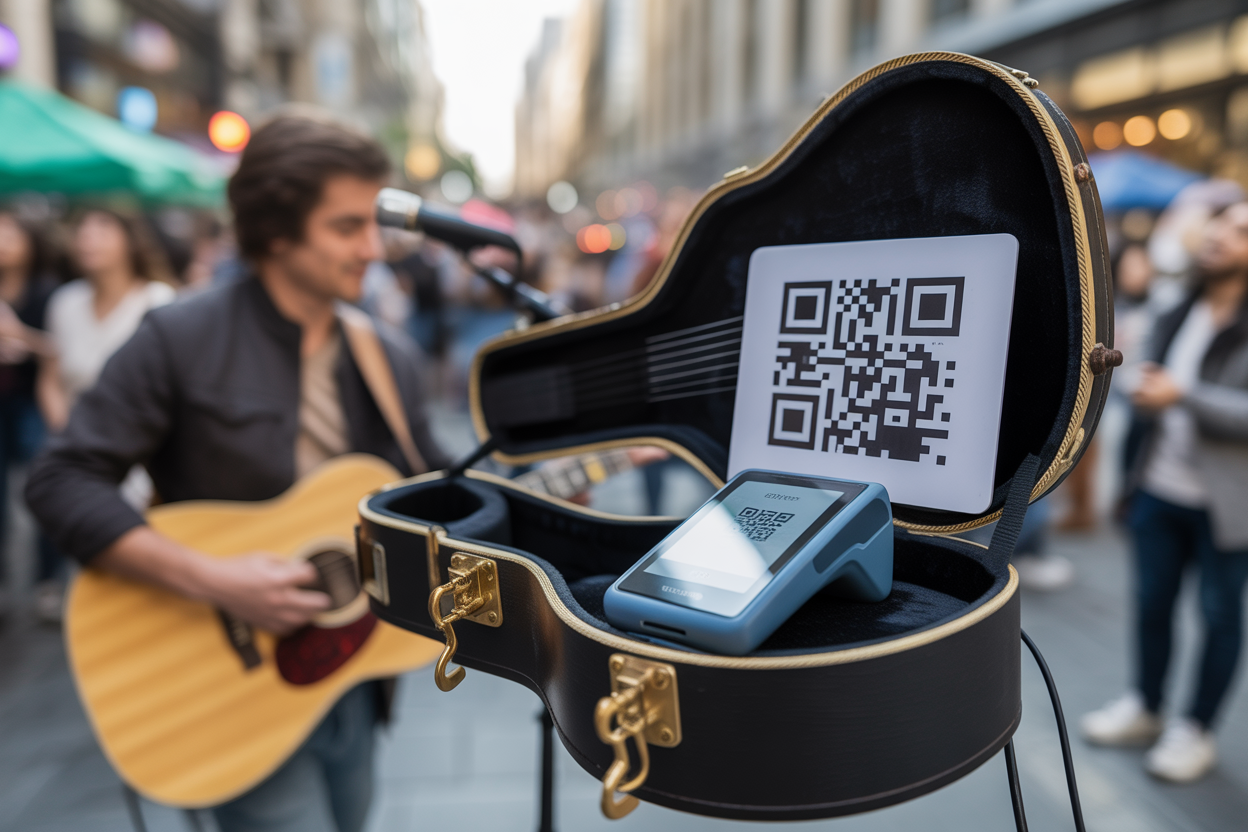
How Street Artists Receive Payments: Modern Cashless Solutions
Let's be honest, that familiar sound of coins clinking into an open guitar case?
It's starting to feel like a memory from a bygone era. Walk through any city square or busy subway station, and you'll see artists playing their hearts out to crowds who are more likely to have a smartphone in their pocket than a handful of cash.
This worldwide change brings up a huge question for every musician, magician, dancer, and living statue out there: how do street artists receive payments when nobody seems to carry cash anymore?
For a lot of performers, this isn't just some small hassle—it's a real threat to their livelihood.
Every person in the audience who loves your act but can't tip becomes a missed connection. But here’s the thing: this digital shift isn't a dead end.
It’s actually a huge opportunity for artists like you to connect with your audience in deeper ways than ever before. At its heart, the problem is pretty simple.
Someone in the crowd is totally captivated by your performance. They reach into their pocket to grab some cash, only to find...
nothing. That feeling when you realize you haven't been to an ATM in weeks?
Yeah, that. That flicker of inspiration to give is gone, and so is the tip you deserved. This exact scene plays out over and over, pushing performers to change how they do things or get left behind.
But the very same tech that's making cash disappear?
It's also the key to helping you thrive. New mobile payment options designed for artists are filling that gap, turning that fleeting urge to give into a super simple, on-the-spot transaction.
Whether it's scannable QR codes or tap-to-pay gadgets, the tools to grab that support have never been easier to get your hands on.
Figuring out how do street artists receive payments today really means diving into a new set of tools made for our digital world. This isn't just about replacing the old tip jar; it's about giving it a major upgrade. These digital methods don't just help you get paid—they help you build a real online presence, turning a random passerby into a genuine fan who can follow your story, find your next show, and support your work from anywhere.
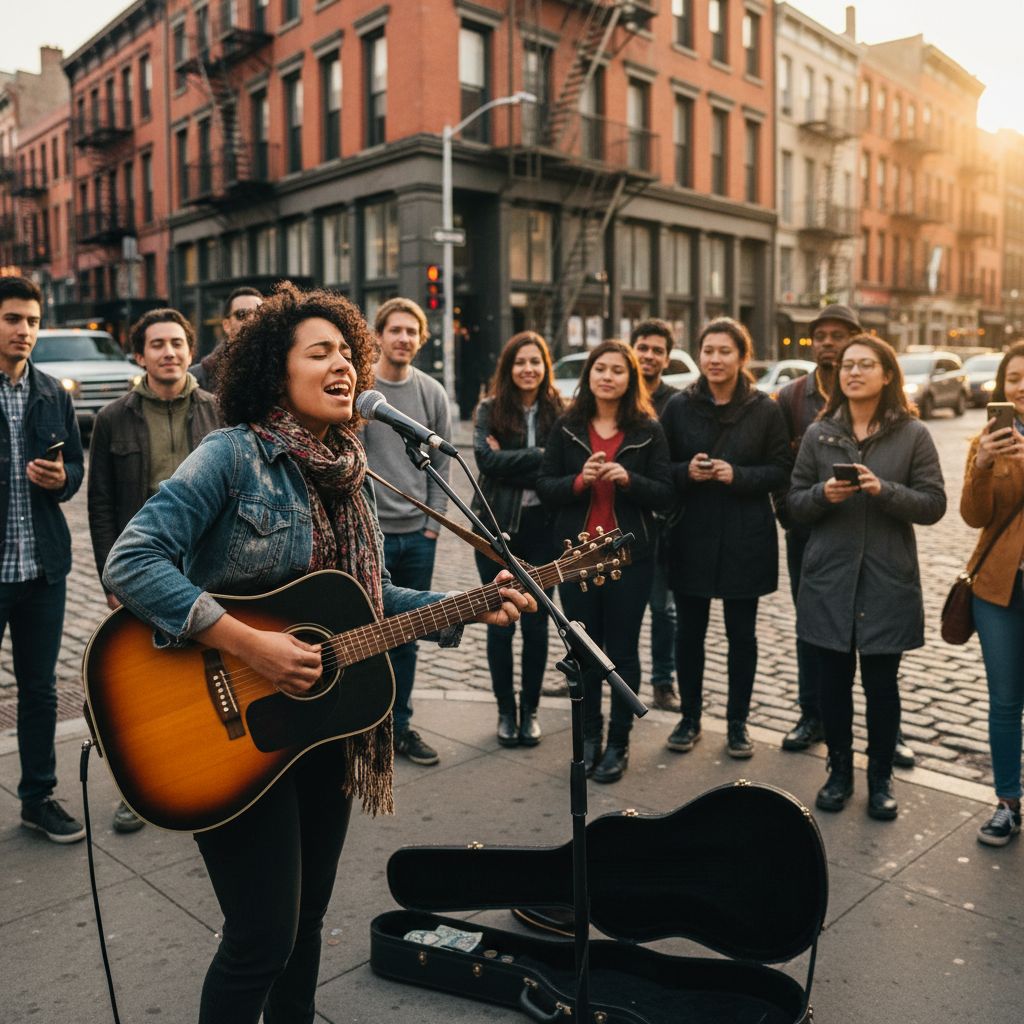
The Shift Away From Cash: Why Performers Need Digital Solutions
Let's face it, people just don't carry cash anymore, and that hits street performers right where it hurts—that spontaneous generosity you depend on. When someone in the crowd is blown away by your song or stunned by your magic trick, you have a very short window to capture their appreciation.
If cash is the only way they can tip, you're losing out on a huge chunk of potential income just because people weren't ready. It completely shakes up the business model of street performing that’s relied on spare change and small bills for hundreds of years.
And this isn't just a feeling—it's a real, documented trend. I remember reading a TechCrunch article years ago about how performers in huge cultural cities like London were already switching to cashless payments because they had to.
The truth is, adapting isn't really a choice anymore.
But hey, artists have always been innovators, right?
Think of it less as a hurdle and more of an evolution. Going digital is today's version of picking the busiest street corner—it’s all about putting yourself where your audience is and making it incredibly easy for them to connect and show their support.
The right setup can turn that quick moment of admiration into real support that actually helps you keep creating and performing.
Exploring QR Codes: The Simple Scan-and-Tip Method
Honestly, one of the most game-changing and easy-to-use payment methods for street performers has to be the good old QR code.
That little black-and-white pixelated square has turned into a surprisingly powerful tool for both connection and commerce. For artists, it's a total game-changer.
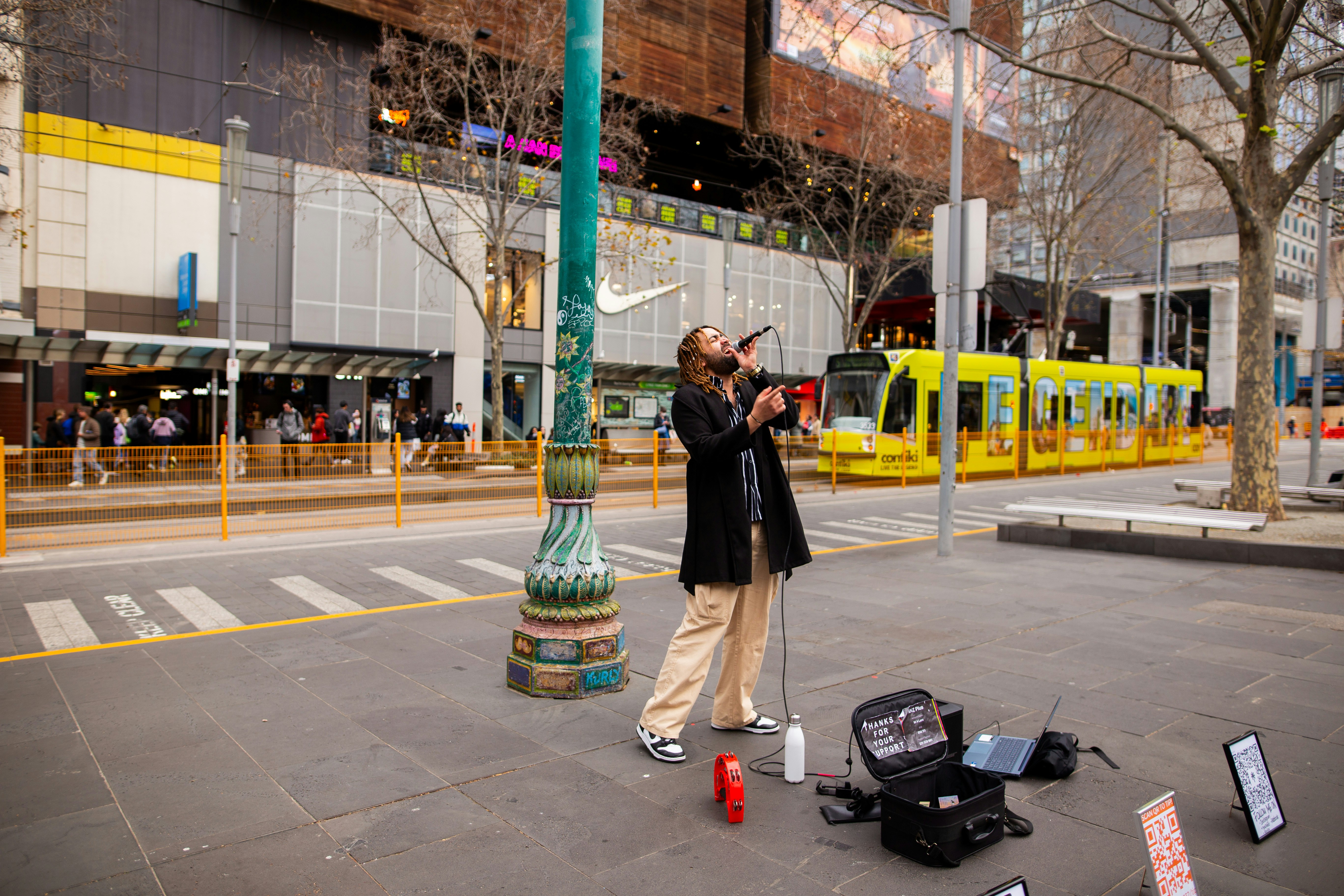
You can slap a QR code on a sign, your instrument case, or even print it on a t-shirt. When someone loves what you're doing, they just point their phone's camera at it, and boom—they're sent right to a page where they can leave a tip. It’s totally smooth, instant, and doesn't require any physical contact or fancy hardware.

📸 kiosqueqr.com
How QR Code Payments Work for Artists
The real magic of the QR code is just how simple it is. All that code does is hold a simple web link. An artist can make a QR code that goes straight to their personal PayPal.me link, which lets fans send money directly into their account.
I read on Scanova's blog that this direct-to-payment-platform approach is one of the most popular ways for artists to get started. For the audience, the whole process feels completely natural: they scan the code, a familiar payment page pops up, they type in an amount, and confirm the payment with their saved info. It only takes a few seconds, capturing that impulse to give right when it's strongest.
All-in-One Solutions for a Seamless Experience
While a direct link to PayPal definitely works, some platforms are taking things to the next level by building a more complete hub for artists.
For artists who want a solution that's dead simple and all in one place, Kiosque QR is a fantastic option. In about a minute, you can set up a personalized artist page that basically acts as your digital business card. This isn't just a payment page; it brings together your photo, your bio, and all of your social media links—from Instagram to YouTube—all in one spot.
The platform gives you a unique QR code that sends fans to this main hub.
From there, they can follow you online and, if you have the Premium version, leave a tip directly through your built-in PayPal.me link. It fixes the payment problem and helps you build your online following at the exact same time.
There are other great platforms out there too, like busk.co, which also do a great job of pulling everything together for performers. These services can create a single QR code that works with tons of different payment options, like Apple Pay, Google Pay, and credit cards.
That flexibility means pretty much anyone who wants to tip you, can, no matter what payment app they like to use.
Both approaches demonstrate that QR codes are more than just a payment tool, they are a bridge to building a dedicated community around your art.
Cryptocurrency: The Niche But Growing Frontier
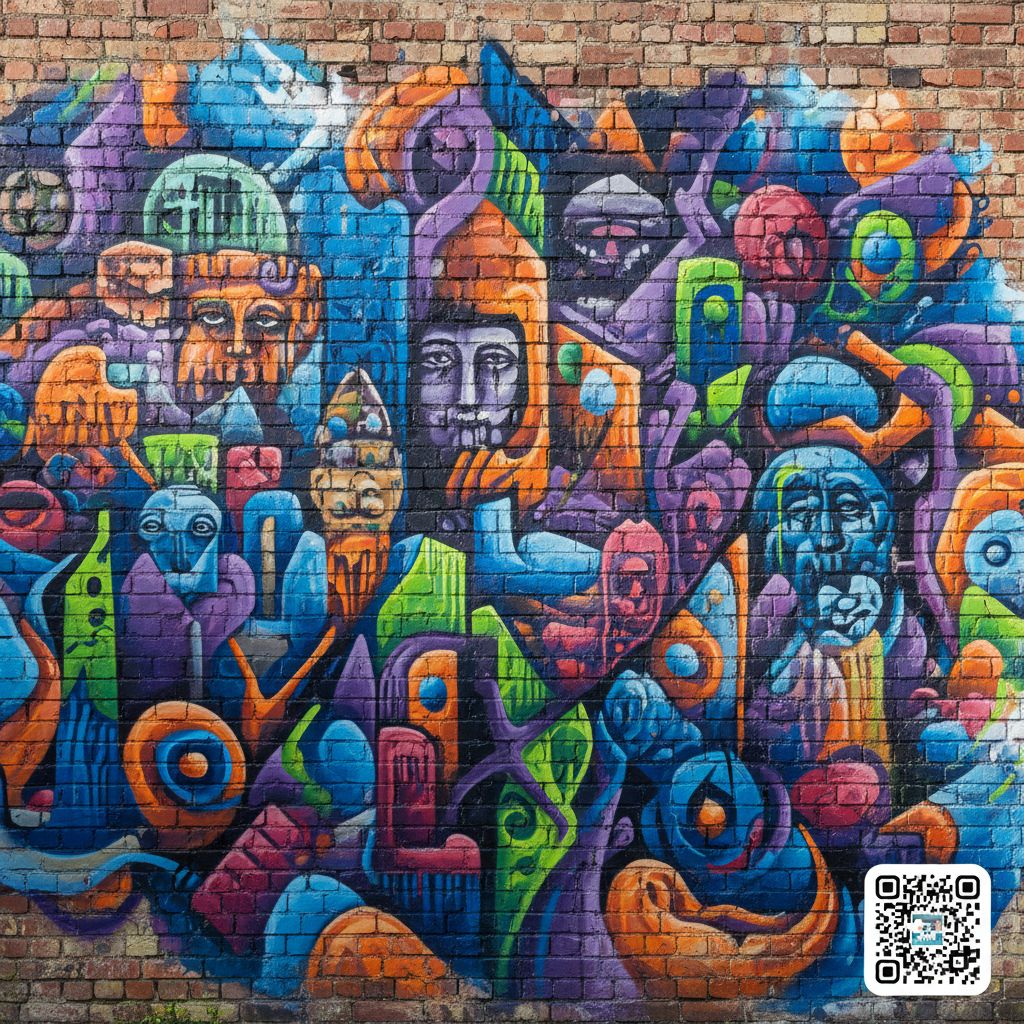
Some performers, especially visual artists painting huge murals, are even embedding QR codes linked to their crypto wallets right into their artwork. This lets admirers send donations using things like Bitcoin or Ethereum. It's definitely for a more niche crowd, but it shows you the cutting edge of support for artists—a global, low-cost payment method that clicks with a digital-first culture.
It just goes to show how flexible and forward-thinking cashless tipping can get.
Contactless Card Readers: Tap to Applaud
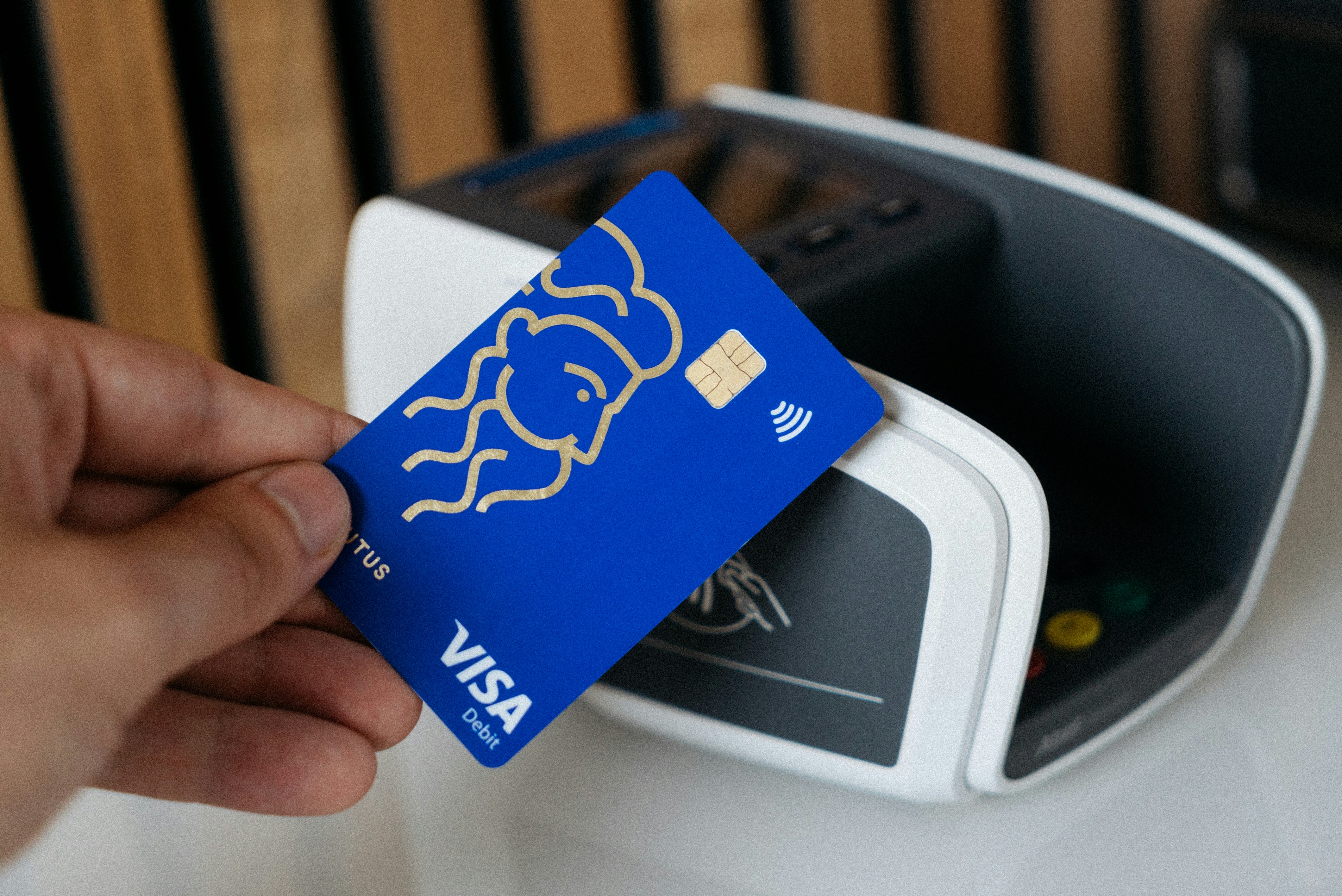
While QR codes are incredibly versatile, there's another powerful tool you should know about: the contactless card reader. These little portable devices bring that familiar "tap-to-pay" experience you see in stores right to your street-side setup.
For a lot of people in your audience, tapping their credit card or phone is an action they know and trust.
That familiarity can make it a ridiculously effective way to collect tips right on the spot.
You can connect a reader from a company like Zettle, Square, or SumUp to your smartphone or tablet, and just like that, you've got a mobile payment system ready to go.
This approach has been picking up steam for a while now.
A guide from the Musicians' Union in the UK even breaks down how these systems are empowering performers.
These readers work with almost everything: chip cards, contactless cards, and all the popular mobile wallets like Apple Pay and Samsung Pay.
This broad compatibility ensures that almost anyone with a modern bank card or smartphone can contribute. The process is swift and gives the audience the security of using a technology they already use every day for their coffee or groceries.
Leading Card Reader Options for Performers
The market for mobile card readers is competitive, which is great news for artists. Companies like Zettle (which is now part of PayPal), Square, and SumUp are pretty much the go-to options for this.
Usually, you just have to buy a small, affordable card reader and connect it to an app on your phone.
Then you can start taking payments, and the money lands in your bank account, minus a small transaction fee. One really smart feature that some services like Zettle offer is a "Repeat Payment" button. This lets you set a fixed tip amount—say, $5—so your fans can just tap their card to approve that amount.
It makes the whole process way faster when you've got a crowd.
The Pros and Cons of Using Card Readers
The biggest plus for a card reader is definitely its speed and how familiar it feels to people.
For the person tipping, there's no app to open or code to scan—just a simple tap. It feels real and secure.
But, there are a few things to keep in mind. First, you have to buy the card reader itself, though they're usually not too expensive.
You also have to juggle another piece of tech while you're performing and make sure it stays charged and connected to your phone.
And finally, those small transaction fees will take a little cut from your earnings. For performers in busy spots who need the quickest transaction possible, a card reader is a fantastic, professional-level choice.
How Do Street Artists Receive Payments? Best Practices for Success
Adopting new technology is only half the battle, using it effectively is what truly counts.
The first and most crucial rule for how do street artists receive payments digitally is to make it obvious. Your audience can't use a payment method they don't know you have. Your QR code should be large, clearly printed, and placed in a highly visible location.
A simple, friendly sign that says "Tips welcome via QR code!" or "You can tap to tip!" can make all the difference.
The goal is to remove any guesswork and make the act of giving as effortless as the decision to do so.
Engaging your audience immediately is paramount. The desire to show appreciation is strongest right after your performance leaves an impact.
A payment system that requires someone to remember to find you online later is far less effective than one they can use on the spot. That's why having a big, visible QR code or a card reader right there is so powerful.
They grab that impulse to give the second it happens, turning a flicker of emotion into actual, tangible support that helps you keep going.
Understand Your Audience and Location
It's also smart to consider who your audience is and where you're performing. As some experts point out, certain payment apps like Venmo or Cash App are extremely popular in the United States but are virtually unused by international tourists.
If you perform in a location with a diverse, global audience, a solution that relies on universal technology is a much safer bet. That’s where solutions that accept standard credit cards, PayPal, or have the kind of all-in-one payment features you see in modern platforms really shine.
They create a universal option so that no one gets left out just because they don't happen to have a specific app on their phone.
Legitimacy and Building a Digital Presence
Using these tools in a professional way really helps you look more legit.
When you set up a proper account—whether it's a personal or business one with PayPal or Square—it shows people you're serious about your art. It's also a smart move to double-check your local rules about street performing and asking for donations, just to make sure you're playing by the book. But think beyond just the single transaction.
Platforms like Kiosque QR do more than just handle a payment; they help you build a digital home for your art. When you send fans to a central page, you're not just getting a one-off tip. You're getting a potential follower who can now see your next gig announcement, buy your music, or even hire you for a project down the road.
That's how a street gig turns into a sustainable career.
This whole digital tipping revolution isn't just about making up for lost cash—it's about opening up brand new doors. By getting good at these new payment methods, you're basically future-proofing your art and creating a direct link to the people who love what you do.
You perform, they scan or tap, and you don't just earn money—you make a connection. And for any artist, that connection is the real currency.
It’s a really exciting time to be an independent creator. With the right tools, your stage has never been bigger, and your audience has never been closer to showing their support.
So, when we ask how do street artists receive payments these days, the good news is there are tons of great answers.
The shift away from cash felt like a threat at first, but it's actually sparked a ton of new ideas that empower artists in ways we've never seen before.
From the pure simplicity of a QR code linked to a Kiosque QR page to the professional speed of a tap-to-pay reader, your options are affordable, effective, and there are plenty to choose from.
These tools do more than just fix a money problem; they actually deepen the bond between you and your audience.
They take a fleeting moment of street-side magic and turn it into a lasting connection, letting fans not only give you money but also follow along on your journey as an artist.
Ready to bring your art into the digital age?
The good news is, the first step is usually the easiest.
You don't have to be a tech genius or spend a bunch of money on complicated gear. With a platform designed specifically for artists, you can create your digital storefront and tipping jar all in one. It’s about taking control of your income and building your community simultaneously.
Your audience is ready to support you, you just need to give them a way.
Start building your artist page today.
Explore Kiosque QR and create your unique QR code in just one minute to connect with your audience and receive cashless tips.
Frequently Asked Questions
What's the easiest way for a street artist to start taking cashless payments?
Honestly, the simplest way is to create a QR code that links to a payment service.
That's exactly what platforms like Kiosque QR were built for. You can set up an artist page with a tipping link and your own unique QR code in just a few minutes, no tech skills needed.
Do I need a business account to receive digital tips?
Most of the time, a personal account with a service like PayPal is all you need to get started.
But as you start earning more, it might be worth upgrading to a business account to get more professional features, better ways to track your income, and sometimes even lower fees. Always make sure to check the terms of service for whatever payment platform you end up using.
Are QR codes safe for my audience to use for tipping?
Yep, when they're set up right, they are perfectly safe. A QR code from a trusted source just sends the user's phone to a secure payment site (like PayPal.com).
Your audience never shares their financial details directly with you; the whole transaction is handled by the secure, encrypted payment company.