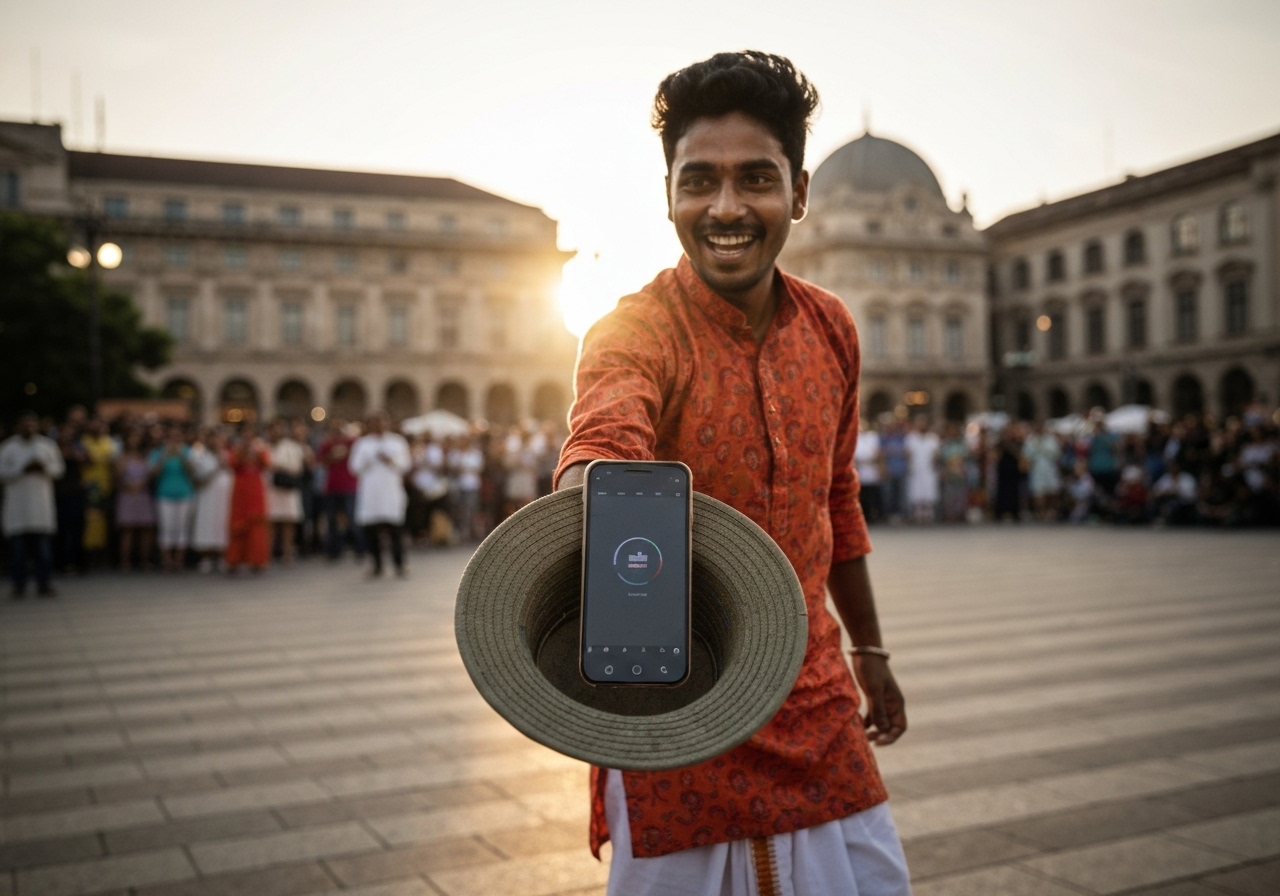
3 Mobile Tipping App Strategies for Street Theater Income
Picture this scenario. You just finished the best set of your life.
The crowd is cheering, the energy is electric, and people are smiling ear to ear.
You grab your hat for the final pass, but then you see it. The awkward pocket pat. The apologetic shrug.
People want to give, they really do, but they just don't have cash on them.
It is frustrating, isn't it?
This is the new reality for street performers everywhere. We are living in a world where digital wallets are replacing physical leather ones. If you rely solely on loose change, you are leaving money on the table every single time you perform.
That is exactly where a mobile tipping app for street theater becomes your most valuable tool.
Adapting to this shift doesn't mean you have to lose the soul of your performance. It actually opens up new doors. By integrating virtual tip jar solutions for performers, you bridge the gap between your art and their appreciation.
It is about making it as easy as possible for your audience to support you.
We are going to look effectively at how you can navigate this change.
Using tools like Kiosque QR allows you to modernize your act without needing a degree in computer science. It creates a direct line between the applause and your bank account.
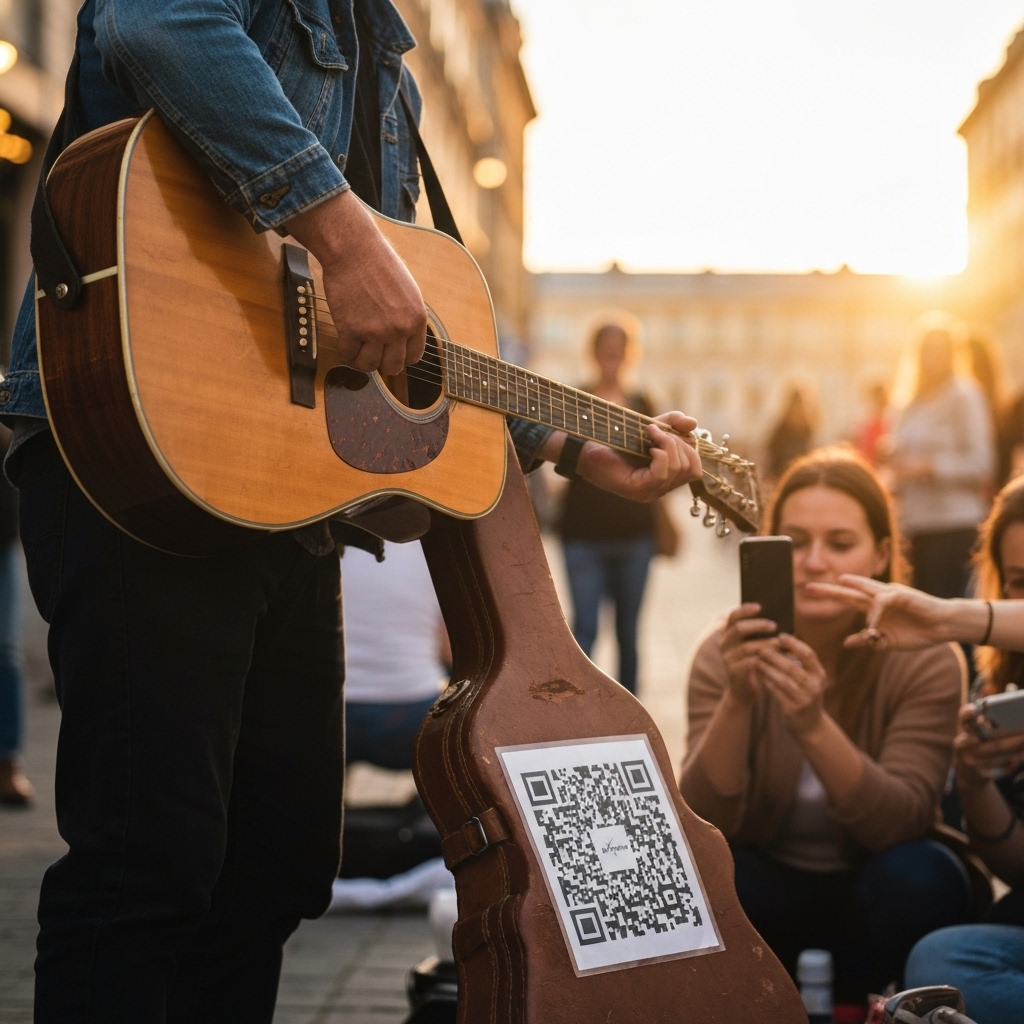
Using a mobile tipping app for street theater is not just about payments. It is about connection. When you remove the friction of searching for an ATM, you empower your fans to act on their impulse to support you right in the moment.
Let's look at three proven strategies to make this technology work for you.
1. Implement QR Code-Based Tipping Systems
The most immediate way to fix the "no cash" problem is simply to give them a digital way to pay.
You need a system that is fast, reliable, and visible. This is where the QR code shines.
It has become the universal symbol for "scan here to interact," and everyone knows how to use it.
A good mobile tipping app designed for street theater will let you generate your own unique code.
When someone in the crowd scans it, they land right on a payment page.
The best part?
They don't have to download an app or fill out tons of forms. It's just a quick scan and a tap. I've seen research showing that digital tipping systems for street performers act like a bridge, making it super easy for people to tip you instantly using services they already know and trust, like Apple Pay or Google Pay.
And here's why this is so important: speed is everything.
Seriously, if it takes more than ten seconds, you might lose them. You need a solution that feels totally seamless. It's a concept that companies like TipJar have made popular, offering direct fund transfers so everything stays crystal clear.
But you've got to think about how this fits into your actual performance.
Look, a generic QR code works, sure, but a branded one just looks so much more professional.
That's where Kiosque QR really shines—it takes things a step further by showing off your own personal artist page instead of just being a boring payment screen.
Suddenly, a simple transaction becomes a real interaction.
For a practical QR setup, here's what to do:
Print it big: And I mean big—a tiny sticker on your guitar case just isn't going to cut it.
Test the link: Before every show, scan it yourself to ensure it works.
Keep it clean: Ensure the code isn't wrinkled or dirty, or phone cameras won't pick it up.
By transforming your performance space into a payment-friendly zone, you capture the revenue that used to walk away. It is efficient and secure.
Plus, you get analytics. You can finally see which locations or times pay the best, giving you data to plan your next tour.
2. Build Performer Context and Personal Branding
Let's be honest for a second. People don't tip because of a transaction mechanism. They tip because they like you.
They connect with your story, your skill, and your personality. A bare payment link feels cold. It feels like a checkout counter at a grocery store.
This is where specialized mobile tipping app for street theater strategies differ from generic payment processors.
You really want to use a platform that lets you show off what makes you, you.
Some industry insights I've read on digital tipping systems point out that giving people context—like your bio, where you're playing next, and your social media—gives them the full picture.
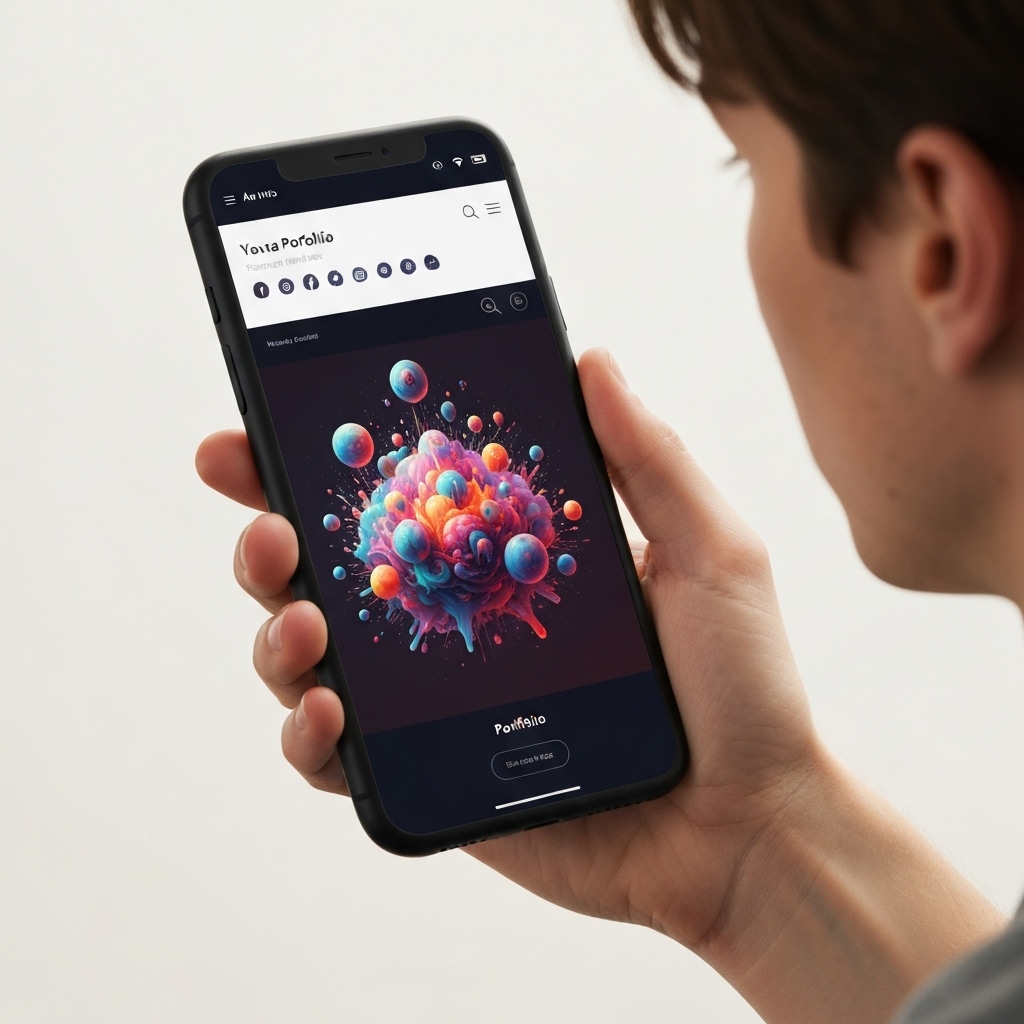
Honestly, just think of it as your digital business card. With Kiosque QR, when someone scans your code, they don't just see a "$5" button. They see your photo, your Instagram link, and your YouTube channel.
They see the human behind the act. This turns a one-time tipper into a long-term follower.
You can use this space to tell a micro-story. "Saving for a new violin" or "Funding my trip to the Edinburgh Fringe." When people know where the money is going, they are often more generous. It creates a narrative that they become part of.
Consider these branding elements for your page:
A high-quality photo: People recognize faces, not QR codes.
Social Proof: Links to your platforms where they can see you have a following.
A clear "Why": A short sentence thanking them for keeping street art alive.
When you build this context, you are answering the question of how to get tips as a street performer in the digital age. You are not begging; you are inviting them into your community. The psychological benefit is massive.
The audience feels more connected, and a connected audience is a supportive audience.
3. Optimize for Real-World Performance Environments
Having the tech is one thing, but integrating it into the physical world is another challenge entirely.
You have to be smart about logistics. Street performance is chaotic.
You have wind, noise, crowd movement, and limited setup time. Your mobile tipping app for street theater strategy needs to survive these elements.
The third proven strategy involves careful positioning.
You cannot let the technology disrupt the magic of the show. It needs to be present but polite. Research suggests that successful implementation requires testing and iteration based on real-world performer feedback.
Think about the flow of your show.
When do you ask for the tip?
If you ask too early, they haven't seen the value yet.
If you only ask at the absolute end, half the crowd might have already drifted off to catch a bus. A good strategy is to have the code visible throughout the show on a side banner, but to make a specific verbal call-to-action (CTA) during your "hat patter" or finale.
Logistical tips for the street:
Lighting matters: If you perform at night, your QR code needs a light source, or it won't scan.
Durability: Laminate your signs. Rain changes everything.
Multiple points: Don't just have one sign. Put one on your case, one on your amp, and maybe even on a card you hand out.
Sometimes you might need to handle heavy equipment to get your staging right, especially if you are hauling amps and signs to different pitches.
If you are dealing with complex setups, you might even look into logistics services like LL Transport to understand how to move gear efficiently, though for most buskers, a simple trolley does the trick.
The point is, your digital setup relies on your physical setup.
Make sure your QR code is placed where eyes naturally fall.
You also need to iterate based on data. If you notice people scanning but not paying, maybe your page load time is too slow or your suggested tip amounts are too high.
Monitor your conversion metrics. It is a business, after all.
Understanding the "Virtual Tip Jar" Landscape
There are many options out there. Some performers use basic PayPal.me links.
Others try complex crowdfunding apps.
The sweet spot is a dedicated mobile tipping app for street theater that combines ease of use with artistic flair.
Feature | Basic QR (PayPal/Venmo) | Kiosque QR (Premium) |
|---|---|---|
Setup Time | Fast | Fast (1 min) |
Artist Branding | None/Low | High (Bio, Links, Video) |
Monthly Cost | Free | Affordable Subscription |
Fan Connection | Transactional | Community Building |
As you can see, specialized tools offer more than just a money transfer. They offer a platform.
Conclusion
The street is changing.
The rustle of paper money is being replaced by the beep of a successful notification.
While this shift to a cashless society seemed scary at first, it is actually a massive opportunity.
By adopting a mobile tipping app for street theater, you are securing your income and future-proofing your career.
We discussed three main ways to win at this game. First, get the technical system right with a frictionless, scannable QR code.
Second, wrap that technology in your personal brand so people know who they are supporting. Third, integrate it smartly into your physical performance space so it feels natural, not intrusive.
Don't be the artist who gets left behind because they didn't adapt. Your art deserves to be valued, and your audience wants to value it.
You just have to give them the tool to do it.
Ready to modernize your act?
You can create your own personalized artist page in less than a minute. Start your free trial with Kiosque QR today and turn those smiles into sustainable support.
FAQ
Do I need a card reader to use a mobile tipping app?
No. With solutions like Kiosque QR, the audience uses their own smartphone to scan and pay.
You don't need to carry any hardware other than your printed QR code.
Is it safe for the audience to scan my code?
Absolutely, as long as you're using a reputable platform. The whole transaction happens right on their own phone through secure methods they already use, like Apple Pay or their credit card.
None of their data is ever stored on your end.
Can I use this for things other than street theater?
You bet.
These same strategies work just as well for musicians in bars, stand-up comedians, circus performers, or even visual artists showing their work in a gallery.