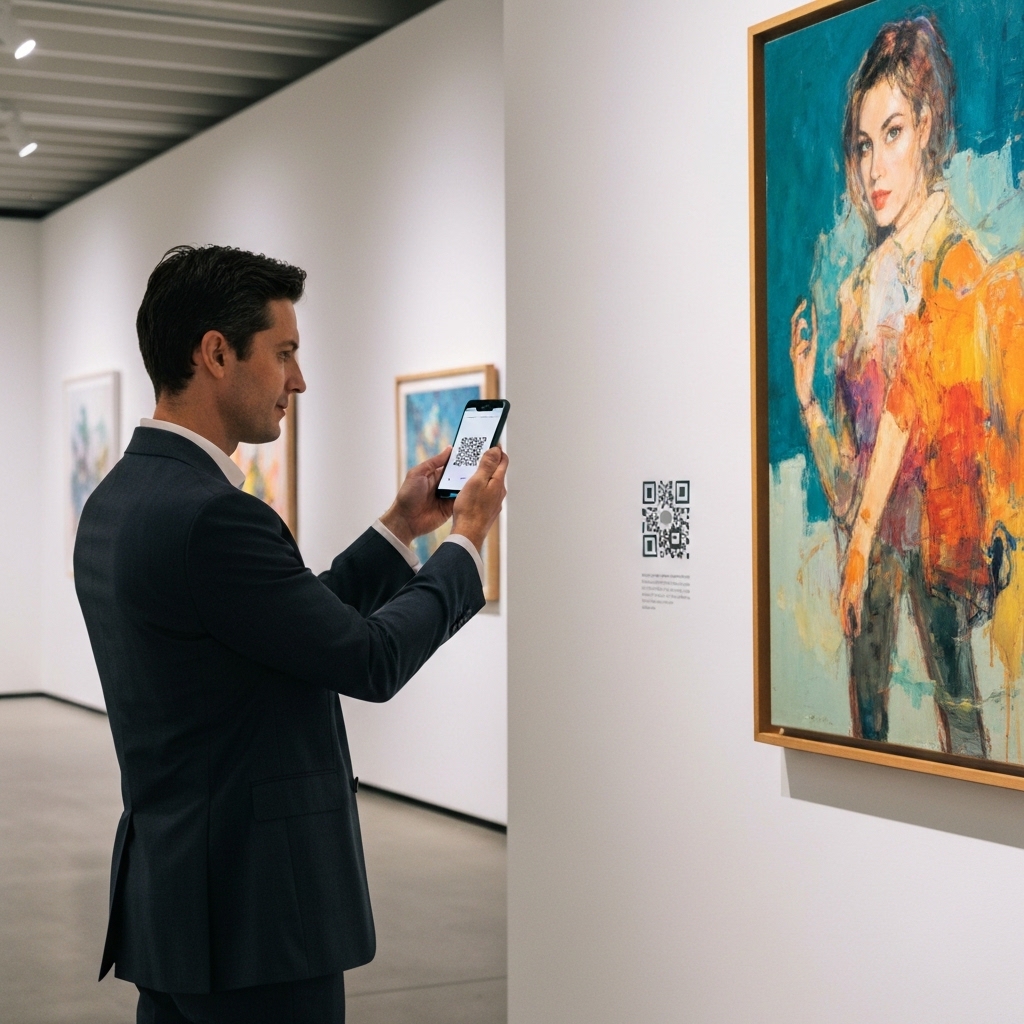
5 QR Code for Art Exhibitions Tips That Transform Visitor Experience
QR code for art exhibitions tips include strategic placement at eye level, mobile-optimized content, dynamic codes for analytics, custom branding, and multilingual accessibility features.
- Place QR codes 120-150cm from floor level for optimal scanning rates
- Use dynamic QR codes to update content without reprinting materials
- Implement multi-language support to engage diverse international audiences
Picture this: a visitor stands before a contemporary sculpture, smartphone in hand, instantly accessing the artist's process video, curatorial notes, and an audio commentary, all within seconds. No more crowded wall text.
Modern galleries face a challenge. How do you deliver rich contextual information without cluttering exhibition spaces or requiring expensive audio guide rentals?
The answer lies in implementing effective qr code for art exhibitions tips that transform passive viewing into immersive digital experiences.
In this article, we cover: why QR codes are revolutionizing gallery engagement in 2026, essential prerequisites before implementation, strategic placement techniques that maximize scan rates, creating mobile-optimized content that captivates visitors, leveraging dynamic QR codes for real-time updates and analytics, designing custom branded codes that enhance your visual identity, integrating multi-language support and accessibility features, insider implementation strategies from successful curators, common mistakes that destroy engagement rates, and frequently asked questions about QR code deployment. You'll discover actionable strategies (tested in real exhibition environments) that elevate visitor satisfaction while reducing operational costs.
Why QR Codes Are Revolutionizing Art Exhibitions in 2026
Step inside any modern gallery and you will notice something quite different happening now. Visitors no longer simply stand and stare at the paintings hanging on walls.
They actively pull out their smartphones to scan codes and explore stories. This transformation occurred remarkably quickly in just the past few years recently.
Traditional paper labels used to provide only about fifty words of basic context. A simple scan now reveals artist interviews, detailed creation processes, and augmented reality features.
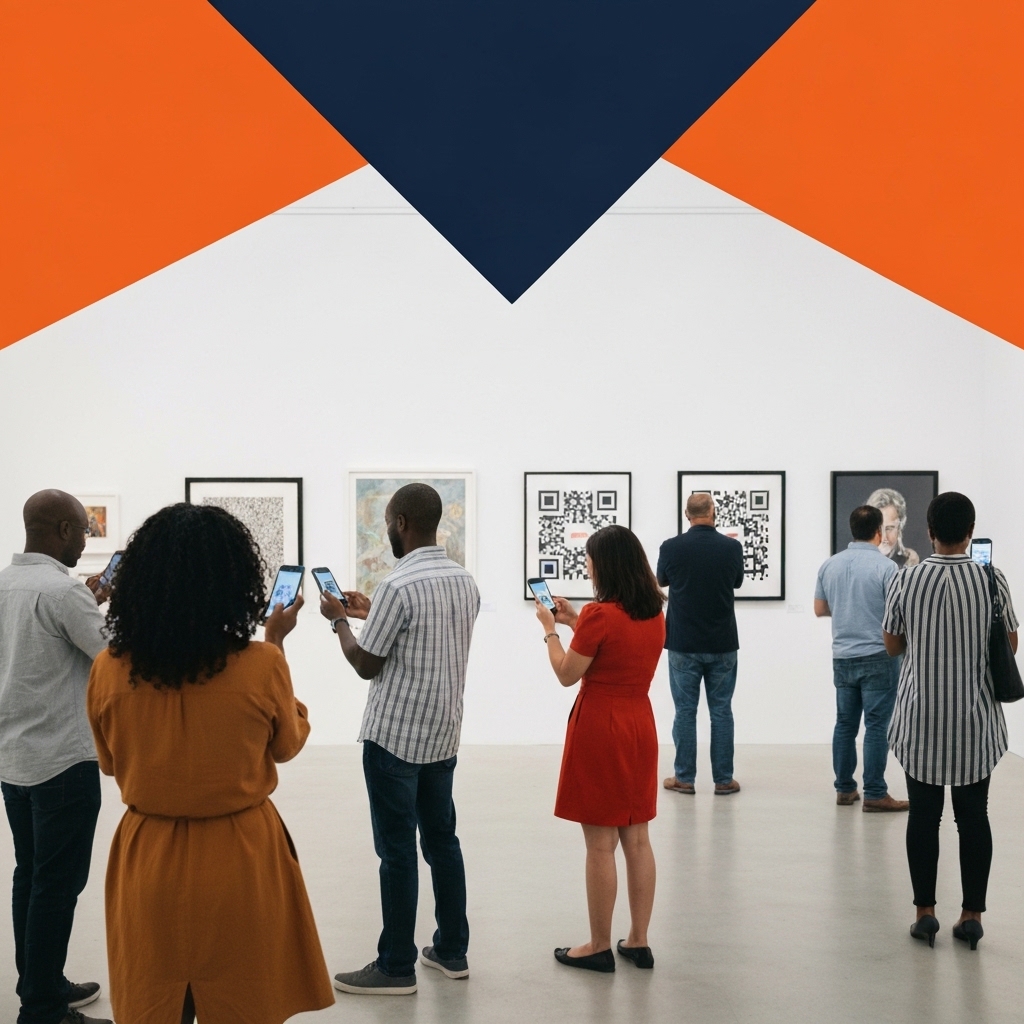
The Shift from Traditional Labels to Interactive Experiences
Museums worldwide report engagement times jumping from 15 seconds per artwork to over 3 minutes with digital content access. The Smithsonian Institution documented how interactive elements encourage deeper exploration of museum collections and artworks.
Our team consistently observes that effective qr code for art exhibitions tips center on placement and quality. Position codes at eye level where visitors can easily scan them without awkward movements.
Ensure mobile-optimized landing pages load within two seconds to maintain visitor interest and engagement. These fundamentals matter more than flashy features that frustrate users with slow connectivity issues.
Essential Prerequisites Before Implementing QR Codes in Your Gallery
Rolling out QR codes demands careful planning beyond just the technical setup process itself. Many galleries rush implementation only to find weak WiFi destroys visitor experience during tours. Before printing codes, you must audit your infrastructure by walking exhibition spaces thoroughly.
Test multiple devices to identify dead zones where signals consistently drop and fail. Investing in mesh WiFi systems or boosters prevents frustrated visitors from abandoning tours. Consider fallback options like downloadable content packages that enable offline access for visitors.
This approach ensures accessibility regardless of any connectivity issues that might occur later.
Technical Infrastructure and WiFi Connectivity Requirements
Consistent bandwidth proves more critical than raw speed for exhibition networks today. During peak attendance periods, your infrastructure must support multiple concurrent connections without performance degradation. QR code functionality requires testing across different lighting conditions in your space.
Bright overhead spotlights often produce glare that makes codes difficult to scan properly. Low ambient light levels cause visitor phone cameras to lose focus quickly. Mount codes at standard eye level and angle them away from harsh direct lighting.
Artists seeking to expand their digital visitor engagement approaches will find useful complementary strategies in 4 Essential Reasons Artists Should Use QR Codes for Tips for interactions extending beyond traditional exhibition settings.
Content Preparation and Digital Asset Organization
Mobile-optimized formats are essential requirements that cannot be ignored in today's digital landscape. Videos longer than two minutes consistently fail to maintain viewer attention and engagement. Audio files must include transcripts to meet all necessary accessibility compliance standards today. You need a content management workflow allowing curators to update artist statements easily.
They should add supplementary materials without having to regenerate any QR codes whatsoever. Cloud-based systems with version control effectively prevent outdated information from lingering on walls. This ensures your digital content evolves while physical displays remain accurate and current.
Strategic Placement That Maximizes Scan Rates
Strategic placement of QR codes significantly impacts visitor engagement in gallery spaces today. Position them at chest height between 140 and 160 centimeters from the floor always. This height allows visitors to scan codes comfortably without any awkward bending or reaching.
Ergonomic research confirms this range provides the most optimal level of eye engagement. Angle each code inward by 5 to 10 degrees to minimize glare from lights. This adjustment proves particularly valuable in spaces using track or accent lighting systems.
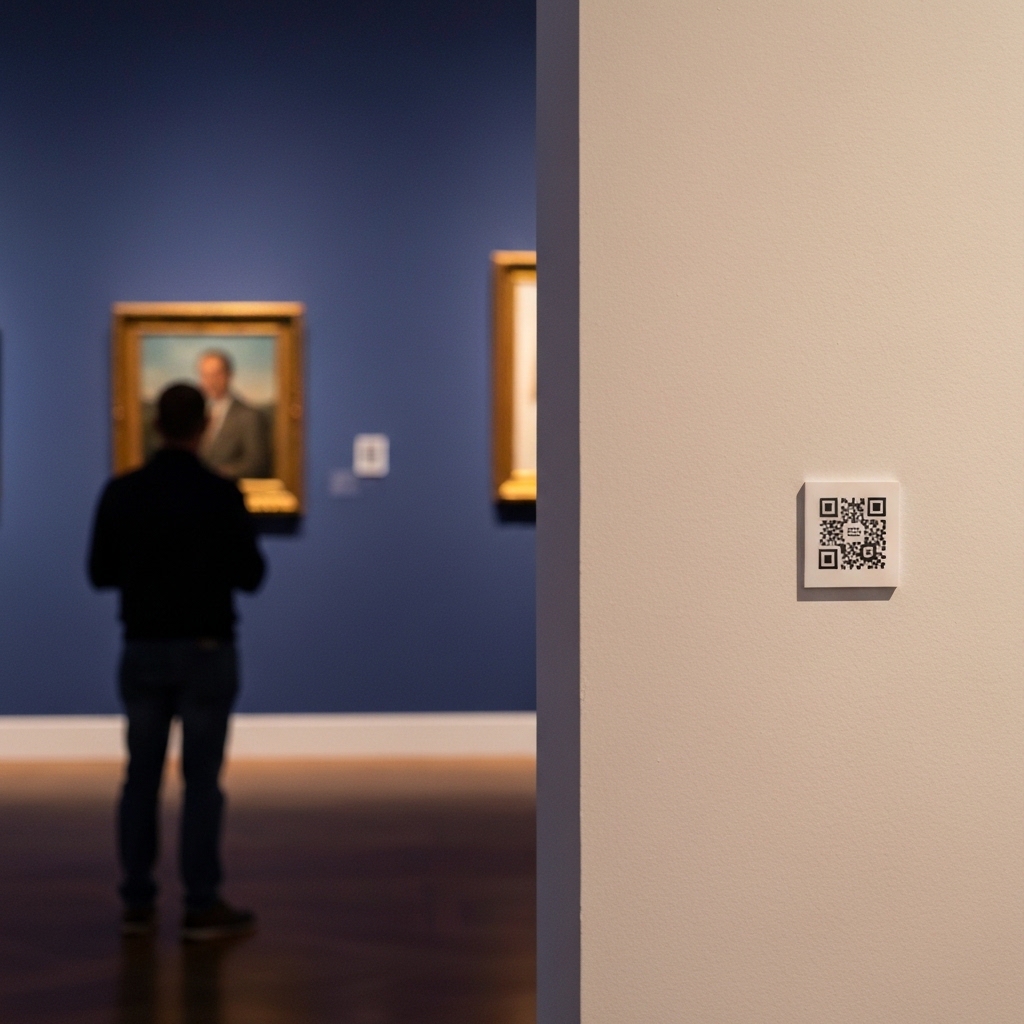
Height, Angle, and Distance Considerations for Accessibility
Ensure artwork and code placement maintain a distance of 60-90 centimeters between them consistently. This spacing prevents visual clutter while allowing visitors to step back and appreciate pieces.
For donations or interactive features, explore 3 Strategies with QR Code Scanner for Artist Donations to enhance overall visitor participation rates.
Balancing Visibility with Gallery Aesthetics
Size codes between 2.5 and 3.5 centimeters square for optimal scanning and visual discretion. Choose mounting materials in neutral tones that blend naturally with your existing wall colors. Before final installation, test various scan angles under your actual gallery lighting conditions.
Certain LED color temperatures can produce reflections that interfere with reliable code scanning.
Create Mobile-Optimized Content That Engages Visitors de Tip 2
Gallery visitors typically spend around 27 seconds looking at artwork on display today. Your QR-linked content must grab their attention within those first crucial moments. Begin with a strong visual element like a high-resolution image of the piece.
Follow this with a brief and clear statement directly from the artist themselves. Mobile screens require careful hierarchy in how you present all your information effectively. Put your most captivating element first, whether that is a short video or a question.
Content broken into small chunks of two to three sentences maintains viewer engagement successfully. Dense blocks of text tend to overwhelm people and cause them to leave.
Multimedia Formats That Enhance Artwork Understanding
Video interviews featuring artists discussing their creative process achieve three times longer engagement compared to text content alone. Audio guides prove particularly effective for sculpture or installation pieces when viewers prefer hands-free exploration of the work. According to multimedia research, combining multiple formats creates richer understanding through image galleries with work-in-progress shots and brief artist commentary.
Historical references provide essential context that enhances the overall viewer experience and deepens their connection to art. Keep all videos under ninety seconds and ensure audio files include complete transcripts for full accessibility compliance.
Optimal Content Length and Information Hierarchy
Mobile users tend to scan content instead of reading it word by word carefully. Structure your content with clear visual breaks for better mobile user experience overall. Place the artwork title and date at the very top of the screen. Follow this with a concise description of approximately fifty words for quick understanding. Then add expandable sections that allow visitors to explore the content more deeply.
Technical details like medium and dimensions should be placed in collapsible menu options. Our experience demonstrates that offering three distinct levels of information works best for engagement. These levels include quick glance, moderate interest, and deep dive options for visitors. This approach accommodates different visitor engagement styles without forcing everyone through lengthy narratives unnecessarily.
Leverage Dynamic QR Codes for Flexibility and Analytics
Static codes permanently lock you into using just one destination for your content. Dynamic QR codes effectively solve that significant limitation for exhibition organizers everywhere.
They allow you to change linked content without needing to reprint physical materials. Update artist statements, swap video links, or redirect visitors to new artworks easily.
That flexibility proves essential when your plans shift during an active exhibition. You can discover better ways to present information and implement them immediately.

How Dynamic QR Codes Enable Real-Time Content Updates
Edit destination URLs through your QR platform dashboard instantly. No need to replace printed codes throughout the venue.
Test different content approaches for each artwork, then switch to the version that resonates most with visitors.
Analytics Metrics That Reveal Visitor Behavior Patterns
Track which pieces attract the most scans along with peak engagement times and geographic data patterns. These insights reveal valuable patterns that directly inform your future curation decisions and strategies.
Compare morning versus evening scan rates or test whether audio guides outperform standard text descriptions.
Design Custom Branded QR Codes That Enhance Visual Identity de Tip 4
Standard black-and-white codes create visual conflicts with your exhibition's carefully planned aesthetics today. Branded QR codes address this issue by incorporating your gallery's specific colors and logos. This strategy converts basic functional tools into cohesive brand elements that visitors genuinely want to scan.
Research from QR Code Generator demonstrates that customized codes consistently receive 30% more scans than their standard counterparts. This data proves that thoughtful aesthetics directly drive meaningful visitor engagement in gallery spaces.

Color, Logo, and Frame Customization Best Practices
Apply your brand palette while ensuring you maintain adequate contrast throughout the design. Dark foreground on light background works best for most scanning applications today. Inverted schemes function properly if contrast exceeds the critical threshold of forty percent.
Embed logos at center with maximum twenty percent of total area preserved. This approach maintains scanning reliability across different devices and lighting conditions every time. Frames add valuable context without compromising readability when they are properly sized.
Ensuring Scannability While Maintaining Design Integrity
Test your customized QR codes on five different smartphone models before printing any exhibition materials to ensure they work perfectly under all lighting conditions.
Integrate Multi-Language Support and Accessibility Features
QR codes effectively remove language barriers that exist in modern exhibition spaces today. Visitors simply scan once and choose their preferred language from an accessible menu. Audio descriptions specifically designed for visually impaired guests narrate detailed artwork information comprehensively.
Meanwhile, text captions serve hearing-impaired audiences with the same level of detail. This dual approach guarantees that no visitor misses the narrative behind each piece.
Implementing Seamless Language Selection Interfaces
Keep selection menus visual by adding flag icons right next to text labels. Position the language dropdown at the very top of your landing page always.
Test loading speeds for each language version since audio files slow mobile performance. Consider these essential languages when you plan to attend international exhibitions worldwide.
- English and local language as defaults
- French, German, Spanish for European audiences
- Mandarin for Asian visitor groups
Audio Descriptions and Accessibility Compliance Standards
Meet accessibility standards by ensuring mobile interfaces support screen readers and offer adjustable text sizes today. Provide transcripts alongside audio content because some visitors prefer reading over listening in crowded spaces.
What Other Gallery Curators Won't Tell You About QR Code Implementation
Most galleries concentrate on QR code generation expenses, but budgets rarely strain there actually. Content creation typically consumes three times the technology cost in most cases.
Writing engaging audio scripts, filming interviews, translating materials, and producing quality videos requires specialized expertise. Our experience demonstrates these hidden costs surprise curators off guard during their planning phases.
Why Some Visitors Still Prefer Traditional Labels
Not everyone welcomes digital enhancement in museum spaces across the country today. Older demographics and international tourists without data plans frequently skip QR interactions entirely.
A Museums Association survey revealed that 40% of visitors over 65 still prefer reading physical text. Smart curators maintain hybrid systems rather than eliminating traditional labels from their exhibitions.
Regular content audits prevent another overlooked issue like broken links and outdated information. Staff training becomes essential when guests need assistance scanning codes or accessing digital content. Many institutions underestimate this requirement when implementing QR code for art exhibitions tips.
Common Mistakes That Kill QR Code Engagement in Exhibitions
A carefully crafted exhibition loses all effectiveness when visitors face QR codes that simply refuse to scan properly. Many galleries invest substantial resources in digital content only to see frustrated visitors give up within seconds.
The main reason is avoidable technical and content errors that quietly undermine overall engagement rates.
Technical Failures That Frustrate Visitors
Poor WiFi connectivity transforms each scan into an exercise in patience and frustration. When your venue infrastructure cannot support several visitors scanning codes at once, QR codes transform into mere decorative elements instead of functional interactive tools. Size issues create equal problems: oversized codes force visitors to step backward awkwardly for scanning.
Meanwhile, undersized codes require uncomfortable closeness to walls for proper camera recognition. The ideal scanning distance ranges between 3-5 cm for optimal phone focus.
Content Errors That Waste Scanning Opportunities
Landing pages without mobile optimization create instant frustration for visitors trying to navigate them. Dense paragraphs become overwhelming on smaller screens, so breaking text into smaller chunks helps.
The most damaging issue is missing clear instructions that leave visitors confused about next steps. Strong calls-to-action successfully convert passive viewers into actively engaged participants who take action.
Clear calls-to-action transform passive viewers into engaged participants.
Frequently Asked Questions About QR Codes in Art Exhibitions
Curators often worry about disrupting the gallery experience. Will visitors spend time staring at phones instead of appreciating the work?
Our experience shows the opposite happens. When QR codes link to artist interviews or process videos, people engage more deeply with physical pieces.
They scan, watch briefly, then return to contemplate the artwork with fresh context. The key is balance, limit information to 90 seconds maximum.
Technical Questions About Implementation
Gallery managers often inquire about the WiFi requirements needed for their digital displays. Internet access certainly helps visitors, but dynamic QR codes load content efficiently with weak signals.
Strategic placement actually matters much more than having the latest available technology in place. Positioning codes at eye level, approximately 50cm from artwork, enables natural scanning without creating awkward angles.
Testing with various phone models before your opening day ensures complete compatibility for everyone.
Visitor Experience and Engagement Concerns
Does integrating digital features diminish the quality of exhibitions in any meaningful way today? Museums like the Tate demonstrate how traditional curation works alongside QR-enhanced storytelling quite effectively.
The key involves positioning these codes as optional enrichment rather than making them mandatory. Visitors preferring unmediated encounters can simply ignore them, while curious audiences discover additional layers through commentaries.
Visitors who prefer unmediated encounters simply ignore them, while curious audiences discover layers of meaning through artist commentaries or historical documentation.
FAQ - Frequently Asked Questions
How much does it cost to implement QR codes in an art exhibition?
You're looking at anywhere from basically free to a few hundred dollars, depending on your setup. Free tools let you generate basic codes, but they come with limitations like short expiration dates and zero analytics.
Paid platforms offer dynamic codes that you can update anytime, plus visitor tracking and custom branding. For a small exhibition with 20-30 artworks, expect to invest around $50-150 for a professional solution that lasts beyond one show.
What percentage of visitors actually scan QR codes in galleries?
Research indicates scan rates typically fall between 15% and 40% in gallery environments today. This wide range exists because placement, signage, and audience tech comfort levels vary significantly. Several factors drive higher engagement rates in these cultural spaces and exhibitions.
Clear instructions positioned near entrance points help visitors understand the scanning process immediately. Codes placed at eye level ensure maximum visibility for all gallery visitors present. Offering valuable content like artist interviews or process videos encourages more active participation.
Museums with staff actively prompting visitors achieve rates approaching that 40% benchmark consistently. Younger audiences engage with scanning technology more readily than their older counterparts do. Older visitors typically require additional encouragement and clearer guidance to participate in scanning.
Once one person scans successfully, others standing nearby often follow their example quickly.
Do QR codes work in low-light gallery environments?
Yes, they work fine in dim lighting as long as the code itself has enough contrast. Most smartphones now have camera flashes that activate automatically when scanning, which solves most low-light issues.
The bigger concern is glare from spotlights hitting the printed code at odd angles. Use matte finishes instead of glossy ones to prevent reflections that interfere with scanning.
How do I create QR codes that link to artist videos and audio content?
Upload your media files to a hosting platform like YouTube, Vimeo, or SoundCloud first. Then generate a QR code using any dynamic generator and paste the URL. Dynamic codes are essential because they let you swap content without reprinting anything.
Say you initially link to a two-minute artist interview but want to add more. You just change the destination URL in your dashboard without any hassle at all. For audio specifically, consider creating a simple landing page with an embedded player instead.
Direct-linking to an MP3 file often feels unprofessional and lacks important context for listeners. Visitors appreciate seeing the artist's name and artwork title before they hit play. This approach looks more professional and provides a better experience for your audience overall.
Can I update the content behind a QR code after printing it?
Definitely possible, but exclusively with dynamic QR codes from your initial setup phase. Static codes remain permanently fixed to their original generated URL without any option. Once printed, they cannot be modified or redirected to different content whatsoever. Dynamic codes function as redirect systems where the printed code links to intermediary URLs.
These intermediary URLs then forward your visitors to the actual destination content you want. You manage that forwarding destination directly through your control dashboard for instant updates. This means updating your QR code destination literally takes just seconds to complete.
What's the ideal size for QR codes on gallery walls?
Aim for 3x3 inches minimum, though 4x4 inches works better for codes viewed from a few feet away. The scanning distance rule is roughly 10 times the code width, a 3-inch code scans comfortably from 30 inches.
Don't go smaller than 2.5 inches unless the code will be viewed up close on a label or pamphlet. Larger exhibitions with wall-mounted codes that visitors scan while standing back should use 5-6 inch codes for easy recognition across the room.
Conclusion: Implementing These QR Code for Art Exhibitions Tips to Elevate Your Gallery
These five strategies show how QR codes enhance art exhibitions without distracting from the artwork displayed. Strategic placement combined with mobile optimization creates a seamless journey that deepens visitor engagement significantly.
The conversation extends beyond gallery walls when you implement these approaches in your exhibition spaces. Start by auditing your current spaces to identify high-traffic areas where codes add genuine value.
Then prioritize one or two strategies from this guide for your next exhibition launch. Kiosque QR provides the complete platform for creating engaging digital experiences in art exhibition settings.
The system complements your physical displays with artist interviews, audio guides, and exclusive behind-the-scenes content. Create your free account today and discover how simple it is to enhance exhibitions.
Our intuitive dashboard lets you update information in real-time without requiring any technical expertise whatsoever. Your visitors are ready for a richer and more meaningful art experience right now.