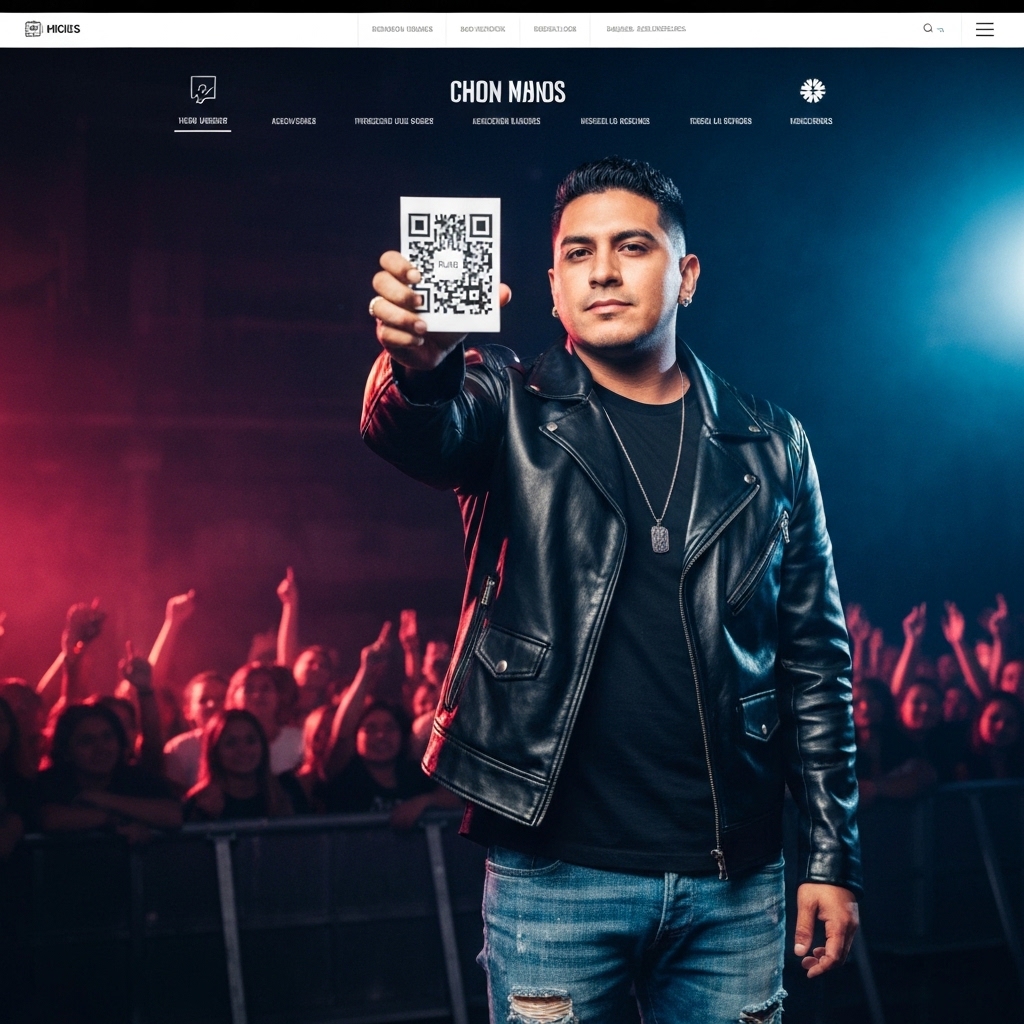
Transform Your Fan Engagement de QR Code for Artists and Performers
QR code for artists and performers is a scannable link that connects audiences to music, portfolios, tickets, and exclusive content instantly.
- Create unlimited connections between your physical presence and digital platforms without printing costs
- Track which promotional materials drive the most engagement through scan analytics
- Update your linked content anytime without reprinting posters, flyers, or merchandise
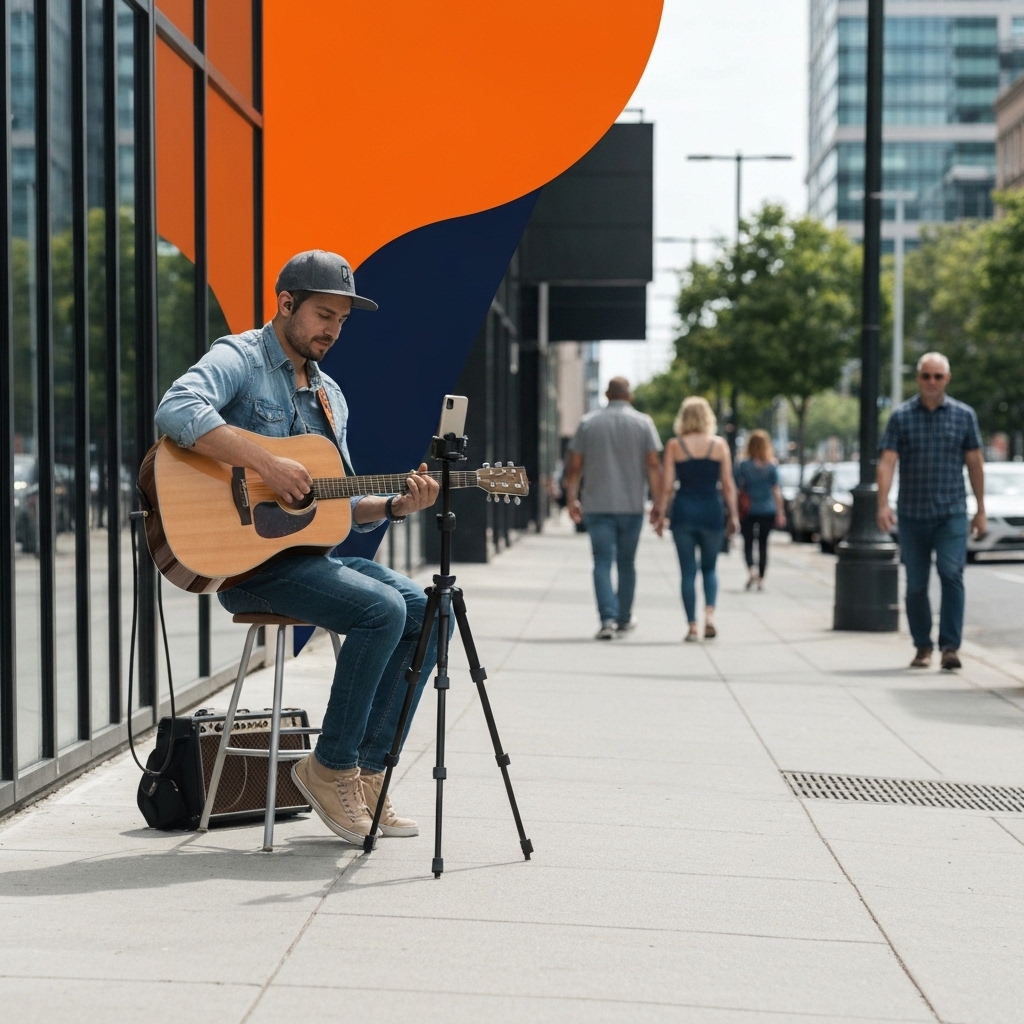
Picture this: A street musician converts 40% of passersby into Spotify followers. How?
The arts industry is witnessing a quiet revolution (and most artists are missing it). While traditional promotional methods drain budgets and fade into obscurity, qr code for artists and performers creates permanent bridges between your physical artwork and digital ecosystems.
Musicians attach codes to album covers that unlock backstage content. Visual artists embed them in gallery pieces to share creation stories.
Performers print them on merchandise that leads to exclusive behind-the-scenes footage.
In this article, we cover: what makes QR codes essential for creative professionals in 2026, seven proven applications that transform casual viewers into devoted fans, the technical process of creating branded codes that match your aesthetic, and the strategic insights successful artists use but rarely discuss publicly. You'll discover how this simple technology turns every poster, painting, and performance into an engagement opportunity.
Kiosque QR vous accompagne in building these digital connections with customizable solutions designed specifically for the creative industry.
What exactly is a QR code for artists and performers?
A QR code functions as your portable digital business card with enhanced capabilities and features. When someone scans that pixelated square with their smartphone camera, they instantly access your content. This could be your latest album on Spotify, behind-the-scenes footage, your portfolio, or ticket links.
For creative professionals, this technology solves a common problem in networking and connection building. Traditional methods require people to remember your name, search you online, and locate your profile. The magic happens through matrix barcodes that store information in horizontal and vertical patterns together.
Unlike standard barcodes found on grocery items, QR codes can hold significantly more data altogether.
These codes can store up to four thousand two hundred ninety-six alphanumeric characters maximum. Modern smartphones recognize these patterns automatically without requiring separate apps for scanning and access. This makes the barrier to entry virtually nonexistent for your audience and potential connections.
Modern smartphones recognize these patterns automatically without requiring separate apps, making the barrier to entry virtually nonexistent for your audience.
The technology behind artist QR codes
Two fundamental types exist in the market for creative professionals today. Static codes contain fixed information that never changes over time at all. Dynamic codes let you update the destination URL without reprinting the physical code. Dynamic versions also track scan metrics like location, time, and device type carefully. This gives creatives valuable audience insights for their marketing strategies and campaigns.
Most professional platforms now offer customization options including brand colors and logos. These unique shapes maintain scannability while reflecting your artistic identity and vision.
What creatives need to know
Musicians gain advantages that differ from visual artists or performers in important ways. A saxophonist can link directly to streaming platforms for immediate listener access. Meanwhile, a painter connects viewers to online galleries with clear purchase options available.
The versatility proves valuable because promotional needs shift between exhibitions, gigs, and networking events. One code printed on business cards redirects to different content based on projects. This approach eliminates the waste that comes from outdated marketing materials completely.
Why every artist needs QR codes in 2026
Traditional promotional methods continue losing effectiveness in today's digital landscape for creative professionals. Posters fade into background noise while business cards disappear into forgotten pockets permanently. Social media algorithms consistently suppress organic content reach despite your best efforts today.
Meanwhile, audiences remain fixated on their mobile devices throughout every single live event. The distance between creating compelling art and building genuine fan connections grows wider. Yet the most powerful solution already exists within everyone's accessible smartphone right now.
A qr code for artists and performers eliminates this gap immediately and effectively.
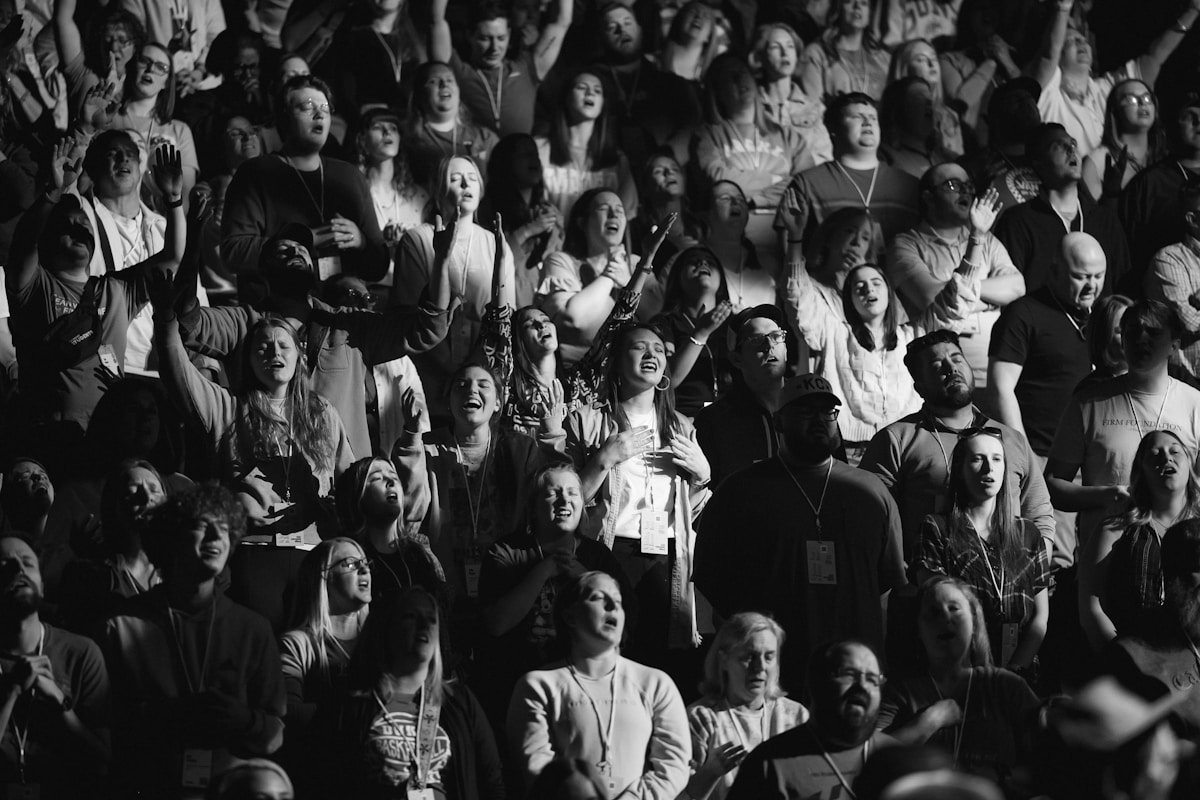
It transforms passive spectators into actively engaged followers without creating any unnecessary friction whatsoever. Walk into contemporary gallery openings or music venues to observe audience behavior patterns. You'll immediately notice nearly every attendee actively holds their phone throughout the experience.
They're not displaying rudeness but rather documenting moments and sharing discoveries with networks. Research demonstrates that exactly 73% of concertgoers actively use devices during events consistently. They search for artist profiles and purchase merchandise through their phones during performances.
Yet most creators still depend on verbal announcements or printed URLs today. Nobody actually remembers these traditional methods after leaving the venue at night.
This disconnect costs you real opportunities.
The mobile-first reality of modern audiences
Capturing attention means you must eliminate all friction points from the process. When someone scans a code on your merch table, they land exactly where intended.
No typing errors, no searching through app stores, no lost momentum whatsoever. The Best QR Code for Artists A 2025 Buyer's Guide shows how leading musicians generate 40% more Spotify follows than traditional methods.
Direct access matters because most fans will not take extra steps later on.
Bridging the gap between live and digital presence
Smart artists build email lists and sell digital downloads through strategic code placement today. Position one code at your exhibition entrance to offer engaging virtual tours immediately.
Another code on limited edition prints provides instant authentication for collectors and buyers. The result delivers measurable conversions instead of hoping people remember your Instagram handle later.
Your physical presence extends beyond the moment someone first experiences your creative work.
7 powerful ways artists use QR codes to grow their careers
Most artists face a significant challenge when converting initial interest into meaningful engagement with audiences. Someone photographs your concert poster but fails to visit your website afterward. A gallery visitor admires your work yet walks away without making any purchase.
QR codes remove this barrier by establishing immediate connections between physical presence and digital opportunities. When fans scan your album cover to instantly access exclusive content, you transform packaging into revenue. This technology bridges the gap between casual interest and committed engagement effectively.
Your physical materials become active tools that drive measurable results and sustainable income.
From streaming to ticket sales: For musicians and bands
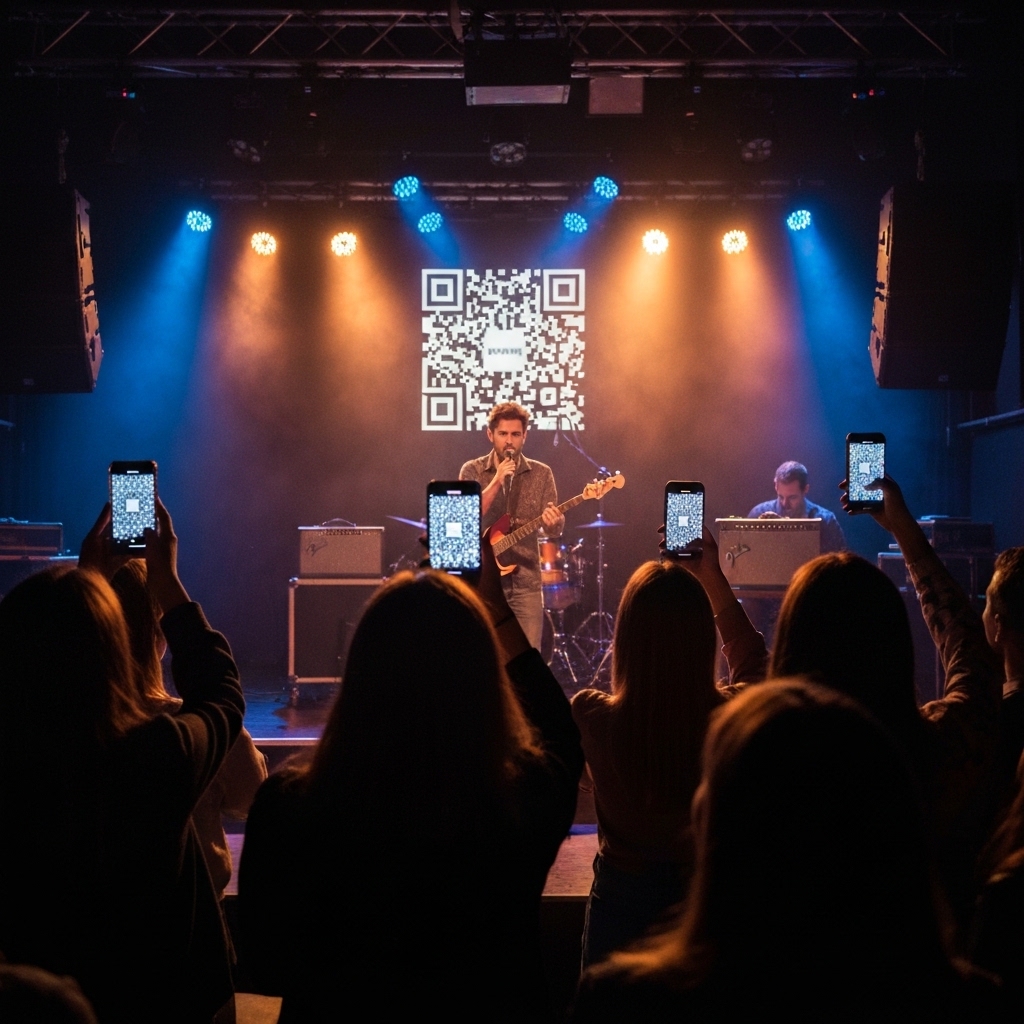
Concert posters transform into conversion tools when they are embedded with QR codes today. Instead of typing a URL while rushing past a venue, fans can scan and purchase tickets. Venue managers report significantly higher advance sales when posters include these scannable codes for buyers.
Album artwork offers another strategic opportunity to place a QR code on physical releases effectively. This code links directly to streaming platforms, bonus tracks, or exclusive lyric videos for fans. The approach bridges the gap between collectors who buy vinyl and listeners who consume digitally.
Musicians also integrate codes into merchandise packaging to build exclusive communities for their dedicated followers. Scanning these codes unlocks private Discord channels or early access to new releases immediately.
Portfolio access and sales enablement: For visual artists
Gallery exhibitions have always depended on printed artist statements that most viewers quickly skim over. Smart artists are now placing QR codes right beside their artwork for easy access. These codes link directly to video explanations, detailed process documentation, or convenient purchasing options available instantly. This approach has proven especially effective during recent art fairs across the country today.
Buyers could instantly access current pricing and availability without having to wait for staff. Business cards featuring QR codes effectively solve another chronic problem that artists commonly face daily. Static contact information naturally becomes obsolete over time, but scannable codes route to portfolios instead. Your continuously updated portfolio website remains accessible through one simple scan every single time.
Street artists have pioneered interesting applications by strategically adding codes to their public murals everywhere. This transforms regular public art into truly interactive experiences that engage viewers in new ways. The codes reveal fascinating creation timelapses or provide access to exclusive artist interviews and insights.
Building lasting fan relationships: For performers
Press kits have traditionally required emailing large file attachments that often clog recipient inboxes completely. Performers now integrate QR codes directly into their outreach materials for immediate journalist access. This method provides one-scan access to high-resolution photos, performance videos, and complete biographical information.
The streamlined approach significantly increases media coverage rates because reporters grab what they need quickly. Those exploring additional revenue streams can find specific strategies for integrating tipping functionality effectively. Merchandise authentication represents another emerging use case that artists are adopting more frequently now.
Limited edition prints or signed items now include QR codes that verify authenticity immediately. These codes connect buyers directly to certificate databases that confirm item legitimacy and ownership.
Create different QR codes for various marketing materials to track promotional channel engagement rates. This collected data reveals whether your gallery postcards outperform social media posts in practice. The insights allow you to allocate marketing resources more effectively based on performance.
How to create and customize QR codes that match your brand
Your QR code serves as more than just a technical tool for sharing information. It represents a direct extension of your overall visual identity and brand presence. Start by selecting a generator that offers extensive customization beyond standard black and white squares.
Platforms like QR Code Generator and Canva provide useful templates for modifying colors effectively. You can incorporate logos and adjust corner styles to match your brand identity perfectly. The key involves balancing aesthetics with functionality to ensure optimal performance and visual appeal.
Stick to high contrast combinations since dark patterns on light backgrounds work best overall. Test scannability thoroughly before finalizing your design to avoid potential scanning issues later on.
For a QR code for artists and performers, consider adding subtle frames with text. Include phrases like "Scan for my portfolio" to provide clear context for your audience. Placement matters just as much as design when creating effective QR code experiences.
Your QR code should be large enough to scan easily from arm's length distance. Typically aim for 2x2 cm minimum for print materials and larger for posters. Position them where people naturally pause, such as next to artwork labels or cards.
Avoid reflective surfaces or curved placements that distort the pattern and reduce scanning success. Always test across devices since iOS and Android cameras behave differently in various situations. Check performance in various lighting conditions before committing to mass printing your final design.
Design best practices for creative professionals
Customization options that preserve scannability include color overlays while avoiding light yellow or pastel shades entirely. Centered logos should occupy no more than twenty percent of the total code area maximum. Decorative frames also work well for maintaining both function and visual appeal in designs. Some generators allow you to blend QR codes directly into artwork by embedding patterns. You can also use gradient fills within illustrations for a more creative aesthetic approach.
Keep in mind that QR codes include built-in error correction at typically thirty percent capacity levels. This means minor aesthetic tweaks will not break the overall functionality of your codes.
Metrics that matter for artists: Tracking success
Dynamic QR codes provide detailed analytics dashboards that track scan frequency and geographic locations effectively. They also monitor device types and peak activity times for comprehensive data analysis. For artists, the conversion rate remains the most critical metric to monitor carefully.
You need to track which placements generate more scans between gallery walls and posts. This data helps you adjust your overall marketing strategy based on actual performance.
What other artists won't tell you about QR code strategies
Most musicians print static QR codes on their album covers and promotional posters today. This approach represents a significant mistake in their marketing strategy and long-term planning.
When your Spotify link changes or your tour page expires, those codes become dead ends. Successful artists use dynamic codes that redirect to current content, preserving years of marketing investment.
The difference between static and dynamic isn't technical, it's strategic thinking about longevity.

The static vs dynamic trap most artists fall into
Permanent materials require solutions that adapt over time for maximum effectiveness and relevance. Album artwork, merchandise, and venue murals remain visible for years, but static codes trap you with outdated destinations.
Dynamic codes allow you to transition from pre-release hype to streaming links, then tour announcements, without reprinting anything. According to industry research on QR code fundamentals, this flexibility transforms passive scans into active relationships with your audience over time.
Building fan data assets, not just followers
Touring musicians rarely discuss how their QR code strategy prioritizes data collection over simple convenience. They gate exclusive content behind email collection including early ticket access and backstage footage. This approach builds a verified database of genuinely engaged fans instead of chasing metrics.
One scan provides contact information that proves far more valuable than another social follower. You're capturing real audience data rather than depending on unpredictable algorithm-driven social platform metrics today.
When QR codes actually hurt your brand
Some environments naturally damage audience connection and overall engagement in meaningful ways today. Adding QR codes to intimate acoustic performances makes the experience feel purely transactional.
Placing them on every available surface signals desperation instead of genuine artistic intention. Strategic placement matters more than quantity in these specific creative situations right now. Merch tables work well while stage backdrops create unnecessary distractions for your audience. The objective involves purposeful integration that enhances rather than disrupts the experience entirely.
FAQ - Frequently Asked Questions
Do QR codes actually work for independent artists and small performers?
They deliver impressive results when you position them in the right strategic locations. Artists placing QR codes on merchandise, posters, or event materials usually achieve scan rates between fifteen and thirty percent at live shows, outperforming traditional business cards that often get misplaced.
Success depends entirely on smart placement and providing the right context for scanning. A QR code displayed on a gallery wall beside your artwork converts much better than one hidden on the back of any promotional flyer.
People tend to scan codes when their curiosity peaks in that exact moment.
What's the best QR code generator for musicians and artists?
Dynamic codes allow you to change destinations without reprinting any of your marketing materials. Static generators like basic free tools lock you into one permanent link forever. This becomes a real problem when your Spotify URL changes or you launch albums.
Look for platforms that offer customizable designs matching your specific brand aesthetic and identity. Generic black and white squares don't exactly scream creative professional to your target audience. The ability to track scans matters because you want to know which materials drive traffic.
Pricing ranges from free basic plans to subscription services that charge monthly fees for access. Choose based on how many codes you need and whether analytics matter for workflows.
How much does it cost to create QR codes for my art business?
Free tools exist but they significantly limit your available functionality and features today. You should expect to pay for dynamic codes that track performance effectively. Professional platforms typically charge subscription fees or they use per-code pricing models instead.
The investment makes sense when you print materials that need staying current always. Business cards or permanent exhibition signage are perfect examples of this use case.
Can I track how many people scan my QR codes?
Yes, but this only works with dynamic QR codes that route through tracking platforms. Static codes from basic free tools provide zero analytics since they link directly without intermediaries.
Quality tracking reveals scan counts, timestamps, device types, and geographic locations for your campaigns. Artists use this data to identify which venues attract engaged audiences versus casual browsers.
You can create different codes for various materials to compare their performance effectively.
Some platforms offer deeper insights with conversion tracking for your marketing goals. If you want merch sales or newsletter signups, you can measure completed actions. This helps you understand which scans actually convert rather than just opening links.
What should I link my artist QR code to?
A landing page that consolidates everything works better than sending people to a single platform. Why force someone to Spotify when they might prefer Bandcamp or want to buy prints instead?
Smart artists use link-in-bio style pages or custom websites that offer choices: stream music, shop merchandise, book performances, join mailing lists. The scan already showed interest, so give them multiple ways to engage based on what they actually want.
Are QR codes still relevant in 2026 or are they outdated?
QR codes have become standard fixtures in daily life over recent years now. People automatically scan these codes without any hesitation, particularly younger generations raised with smartphones.
The underlying technology remains both simple and universal, protecting it from obsolescence issues. Every smartphone camera can read QR codes without requiring any special applications today.
This widespread accessibility maintains their relevance while alternatives like NFC tags stay limited. Hardware requirements continue to restrict those flashier options to niche market segments only.
Conclusion: Take Your Creative Career Further with QR Code for Artists and Performers
QR codes have transformed from basic scanning tools into powerful career accelerators for creative professionals today. You can share portfolios, sell merchandise, grow email lists, or connect with fans through strategic placement. Strategic QR code positioning successfully transforms passive viewers into engaged supporters who take meaningful action.
Start implementing by choosing one approach from this guide for your next project or event. You might add a QR code on your upcoming gig poster or business card first. Test your implementation carefully, measure the concrete results, and expand your strategy from there systematically.
Kiosque QR provides a platform designed specifically for creative professionals who need effective solutions right now. The platform offers templates built for portfolios, music links, event promotions, and direct fan engagement activities. Visit Kiosque QR today to generate your first artist-focused QR code in just a few minutes.
No technical expertise is required, just bring your creativity and ambition to get started.
Your next superfan is one scan away.