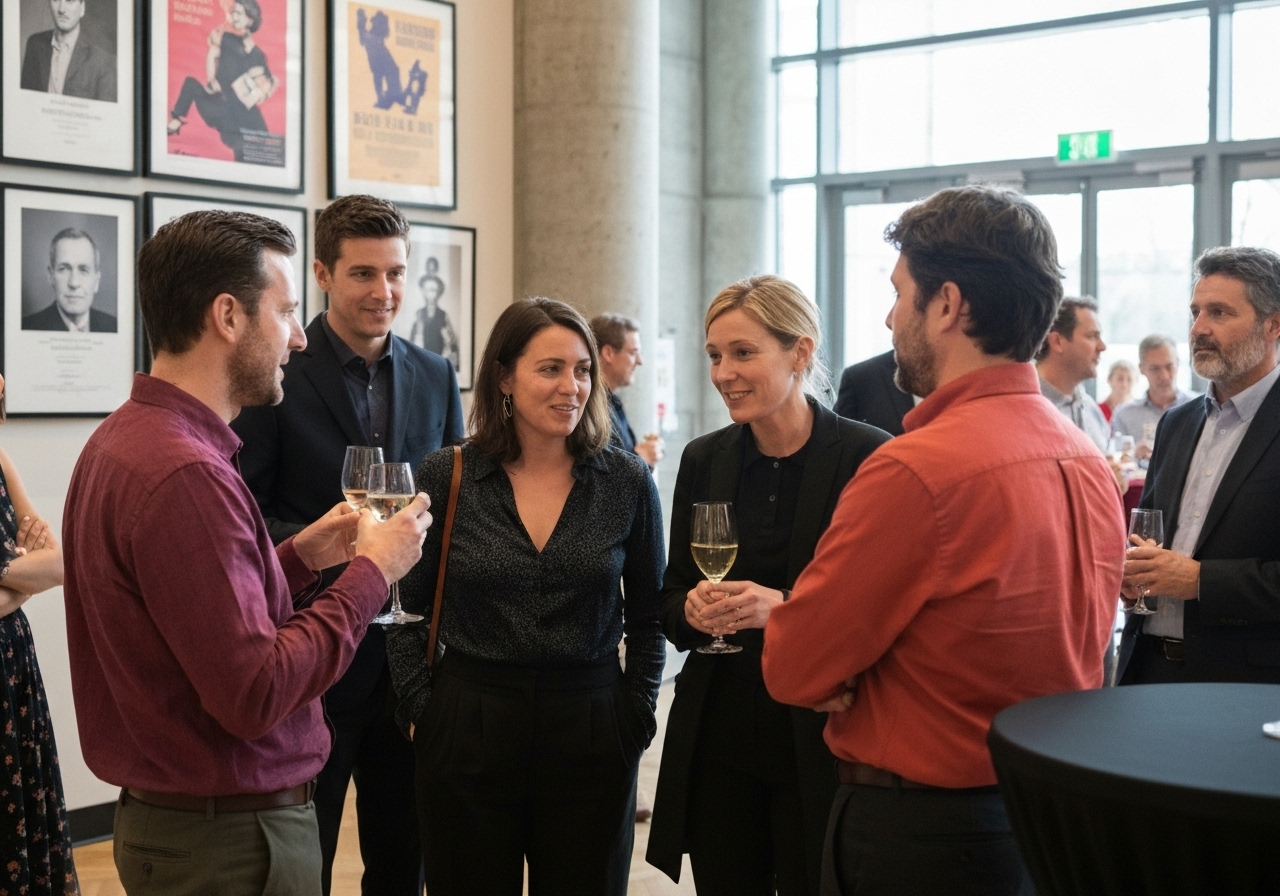
Artist Networking Platform for Theater: 3 Steps to Connect
Let's be real, the stage is competitive. We’ve all had that feeling, walking out of an audition room and wondering, "Was that enough?" Nowadays, it’s not just about talent. It’s about who sees you, who remembers you, and how ridiculously easy you make it for them to find you again. This is exactly where finding the right artist networking platform for theater becomes one of the smartest moves you can make for your career.
You might be thinking that networking removes the magic from the art. I get it. We want to believe that the work speaks for itself. But the reality is that the work only speaks if someone is there to listen. An artist networking platform for theater can give you an edge that raw talent alone sometimes misses. It connects the dots between your performance and your future career opportunities.
Today, we are going deep. We are not just listing websites. We are looking at the ecosystem of theater connections in 2025 and 2026. From high-stakes conferences in Chicago to digital submission portals that level the playing field, we have done the research to help you navigate this crowded space.
Whether you are a playwright looking for a residency or an actor seeking your next ensemble, the tools you use matter.
And speaking of tools, let distinguish between the platforms you join and the platform you *own*. Before you step into these massive networking arenas, you need your own digital house in order. That is where we come in, but more on that in a moment.

Why You Need More Than Just Talent
Let's be real for a second. The "starving artist" trope is outdated. The successful artist in the modern era is a connected artist.
When you look for an artist networking platform for theater, you are essentially looking for a bridge. On one side is your creative output. On the other side are the directors, casting agents, and producers who need your specific voice. The bridge is what makes the transaction potential.
It is easy to get overwhelmed by the digital noise. You have Instagram, TikTok, LinkedIn, and specialized casting sites. It feels like a second job just keeping them updated.
This is why consolidation is key.
You do not need to be everywhere. You just need to be where it matters. The industry has shifted. We are seeing a move away from generic "posting and hoping" toward targeted community engagement. The platforms we are about to discuss are not just social media sites. These are professional spaces built specifically with the performing arts in mind.
They prioritize real-life connections that are amplified by digital tools and focus on what matters: auditions, peer collaboration, and educational growth. Honestly, if you're not in these rooms—virtually or physically—you're playing the game on hard mode.
The Foundation: Your Personal Digital Platform
Before we get into the big external networks like the Illinois Theatre Association or APAP, let's talk about what you're bringing to the table.
When you meet someone at these events, what do you give them? A paper business card? They will lose it. A scribbled Instagram handle? They will forget it.
You need a centralized hub. This is where Kiosque QR fits into your strategy as one of the most effective artist promotion tools with qr technology available.
Think of Kiosque QR as your personal artist networking platform for theater. It is the destination you send people to. You control the narrative here. It is not subject to an algorithm like social media.
📸 kiosque.qr.com 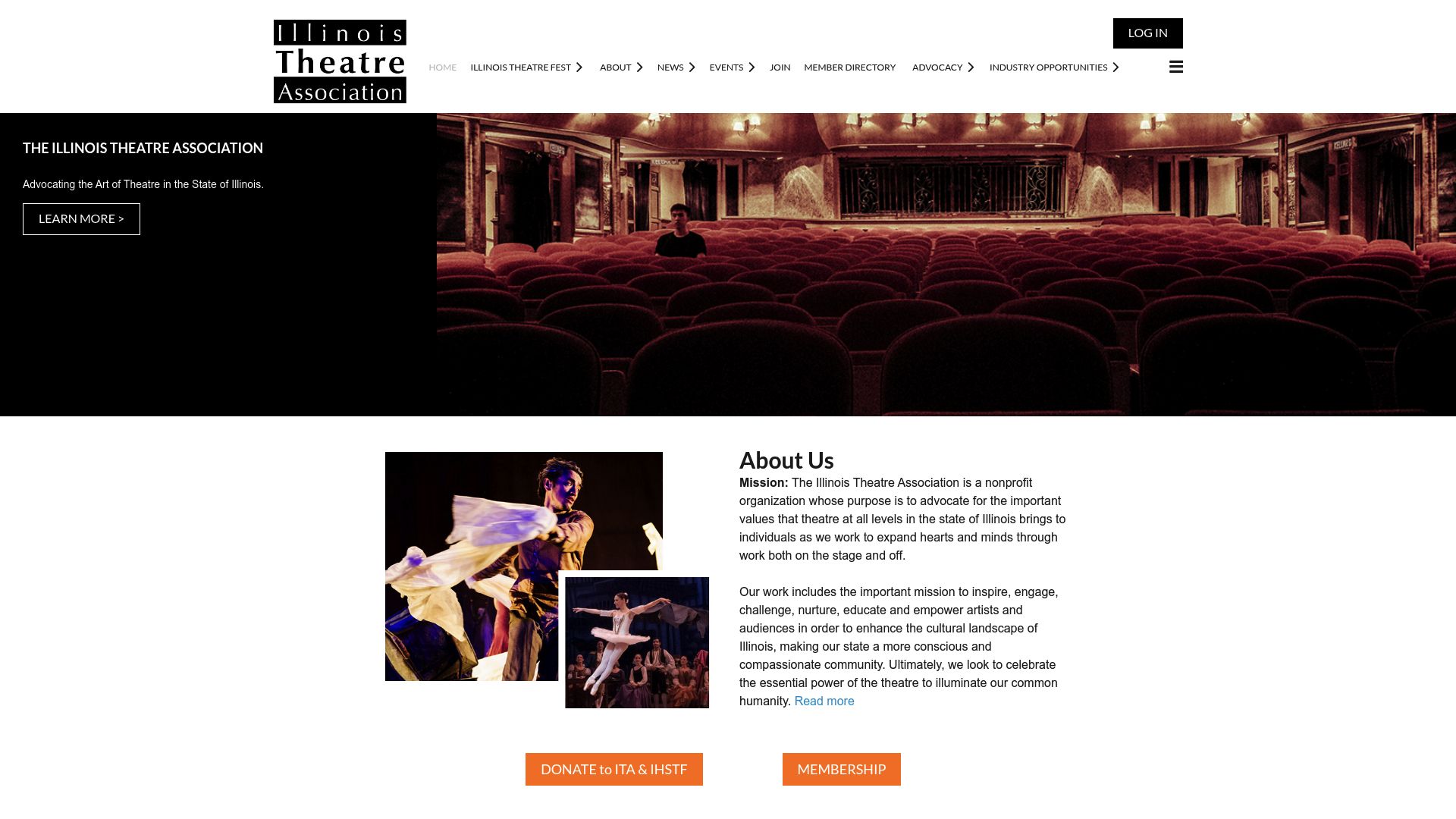
Here is the thing about networking events: they are chaotic. You have seconds to make an impression. If you can say, "Scan this," and immediately transfer your portfolio, bio, and tip jar to a director's phone, you have won the first battle. You have reduced friction.
Our platform allows you to create your artist page in one minute. No technical skills required. You can download a unique QR code to display during your performances or print on your composite cards. It transforms a fleeting interaction into a permanent connection.
Key In-Person Networking Giants
Now that your personal house is in order with Kiosque QR, you are ready to step out. The most powerful artist networking platform for theater often manifests as a physical event supported by digital infrastructure.
Based on the latest industry chatter, a few specific conferences are already looking like the "place to be" for the 2026 season.
The Illinois Theatre Association (ITA) Opportunity
If you are looking for a dedicated artist networking platform for theater in the Midwest, the Illinois Theatre Association (ITA) is setting the gold standard.
They're hosting the Professional Theatre Opportunities (PTO) Conference on February 7, 2026. This is way more than just a mixer; it's a structured event actually designed to get you hired.
Held at Northwestern University’s Wirtz Center in Chicago, IL, this one-day event is an absolute powerhouse for actors, choreographers, and designers. But it’s also a huge deal for off-stage talent like stage managers and technicians.
What makes this event unique?
This is the definition of a high-value network. It fosters direct connections that lead to contracts. However, space is limited. If you are serious about this, you need to contact `professionaltheatre@illinoistheatre.org` early.
Imagine walking into that conference. You have your portfolio, but you also have your Kiosque QR code saved as your lock screen. A director asks for your reel. You don't fumble for a URL. You have them scan your code. They are instantly on your page. That is how you look professional.
APAP|NYC 2026 Conference
New York remains a heartbeat for theater. The APAP|NYC 2026 Conference is massive. It is the Association of Performing Arts Professionals.
While it covers a broad spectrum, the Artist Pitch Sessions are where the magic happens for theater makers.
These sessions are an artist networking platform for theater in real-time. You are pitching your work to presenters from across the globe. It is intense, but the payoff is visibility on an international scale.
For students and emerging artists, there is a hack here: Volunteering. You can often volunteer at the conference to gain access. It is a brilliant way to network without the high price tag of a full delegate pass. You are in the room, helping out, and meeting the movers and shakers naturally.
Submission-Based Platforms: The Silent Network
Not all networking happens in a crowded room with wine and cheese. Some of the most effective networking happens through submission platforms that review your work blindly.
This is a different kind of artist networking platform for theater. It is merit-based networking.
The National Playwrights Conference (NPC)
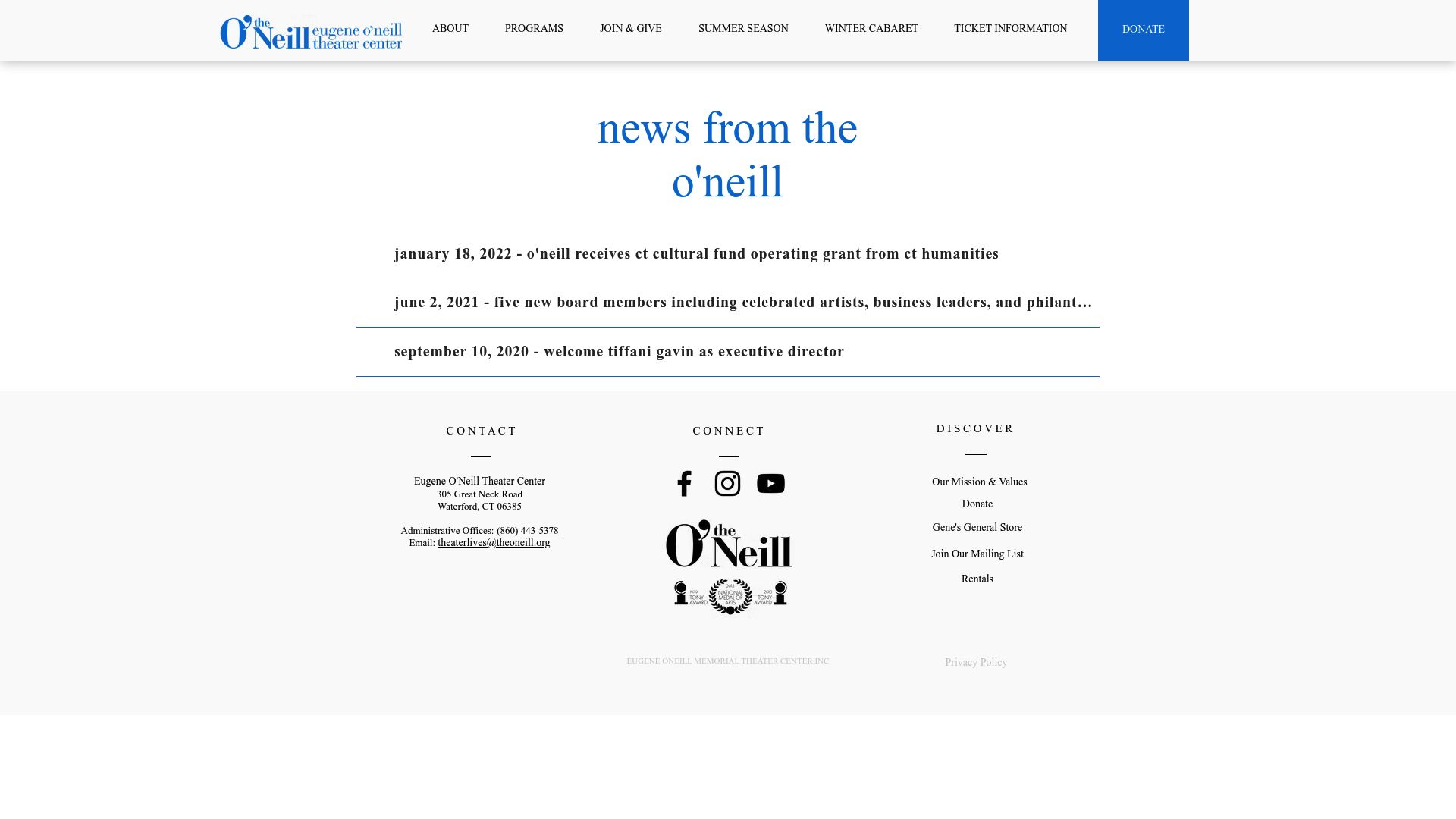
If you write for the stage, the Eugene O’Neill Theater Center is the holy grail.
Their National Playwrights Conference (NPC) is a submission-based program that creates an intense, bonded community.
Here are the details you need for your calendar:
That last point is huge. Most high-level opportunities require representation. The O'Neill is an open door. It is a "blind" submission, meaning they judge the script, not your resume.
If you get selected, you join a community of writers, directors, and dramaturgs. You spend weeks in rehearsals and readings. This is deep networking. You are not just shaking hands; you are creating art together. These relationships last for decades.
Notifications usually go out between March and May 2026. Even if you don't get in, the act of submitting and engaging with resources like the New Play Exchange (which they recommend) puts you into the database of working writers.
Virtual and Educational Learning Communities
The idea of an artist networking platform for theater has gotten bigger, and now it definitely includes Professional Learning Communities (PLCs). These are so important for those of us who teach to support our careers. The AATE, or American Alliance for Theatre & Education, offers a fantastic network for educators and practitioners. So much of theater is funded through education, and honestly, a lot of us pay the bills by teaching while we audition.
The AATE connects these two worlds. Their 2026 conference theme is "Echoes of Us". It sounds poetic, and it is, but the networking is practical. They offer symposia and mentor programs.
By joining this network, you are connecting with the people who run university theater departments and community youth programs. These are the people who hire guest artists and directors.
Connected Arts Networks (CAN)
For a more structured digital approach, look at the Connected Arts Networks (CAN).
They actually run virtual PLCs every month from September 2025 to May 2026, and it's aimed right at educators in public and charter schools who work in theater, music, and dance.
So why should a performer care? Because these networks are all about equity and leadership. Being part of a PLC puts you directly in touch with peers across the country where you can share resources, work through challenges together, and build a real support system that spans the nation.
Note that attendance is strict (75% required) and you often need supervisor support. It is a commitment, but it builds a deeper connection than a Facebook group ever could.
Emerging Platforms and Residencies
For those who lean toward the avant-garde or independent sectors, standard conferences might feel too corporate. You need an artist networking platform for theater that embraces the experimental.
Platforms like Open Call for Artists and ArtConnect should absolutely be in your browser's bookmarks.
They're always tracking calls for residencies and collaborations from all over the world. For instance, they recently put a spotlight on opportunities with collectives like SUBSCENE. This kind of collective is all about helping you develop your independent practice. And when you apply, even if you don't get that specific grant, you're often putting your work in front of curators and entering a database of creators who think just like you.
Dang Truong / Unsplash 
The Logistics of the Hustle
We have talked about the "where," but we need to talk about the "how." Sustaining a career in theater involves logistics that most people ignore until it is too late. Networking requires travel, physical health, and secure spaces.
When you are chasing these opportunities, your life often becomes mobile. You might book a residency in a city where you know no one.
Housing on the Road
If you land a spot at a festival or a month-long workshop in a new city, accommodation is the first headache. Hotels burn through your stipend in a week.
Interestingly, many performers overlook student-oriented housing. When you are traveling for educational theater networks or university-based conferences like the one at Northwestern, checking out student residence options can be a lifesaver. You’ll find they're often open to short-term rentals during slow periods or cater specifically to people in the academic arts scene. It connects you with a younger, vibrant community that might essentially be your audience.
Physical Maintenance
Networking is exhausting. We forget that our instrument is our body. You are standing for hours at mixers, running to auditions, and sitting in cramped workshop chairs.
The stress of "being on" all the time takes a physical toll. It is not uncommon for actors to suffer from tension that inhibits their performance. You have to treat your body like the asset it is. Many top-tier performers swear by regular maintenance. Seeing an osteopathy practitioner can be the reset button you need. It helps realign the physical structure so you can walk into that networking event standing tall, literally and metaphorically.
Securing Your Creative Space
Finally, as you build these connections, you might start your own collective. You rent a storefront or a loft to rehearse.
Suddenly, you are not just an artist; you are a facility manager. You have expensive sound equipment and props. Security becomes real. It sounds mundane, but finding a reliable locksmith to secure your rehearsal space is a foundational step in establishing your professional base. You cannot network effectively if you are constantly worried about the safety of your gear back at the studio.
Strategies to Maximize These Platforms
Joining an artist networking platform for theater is useless if you do not use it correctly.
Here is a strategy for 2025:
1. Preparation is 90% of the work. Before you go to the Illinois Theatre Association conference, research the attendees. Know who is interviewing. 2. The Follow-Up. This is where most artists fail. You get a card, and you lose it. Or you wait two weeks to email. 3. Use Your Digital Tool. This is where Kiosque QR shines again. When you meet someone, and they scan your code, you can also ask to scan theirs or get their email.
Later that evening, you send a message: "Great meeting you at the PTO Conference. Here is the link to my page again if you need to see that monologue we discussed."
You make it easy for them. You remove the friction.
Why "Open" Platforms Matter
We mentioned the Eugene O'Neill conference having "blind" submissions. This is part of a larger trend in an artist networking platform for theater.
The industry is trying to correct years of gatekeeping. Open calls are becoming more genuine. They really do want new voices.
When you see a platform labeled "blind submission" or "open call," prioritize it. These are high-yield opportunities for artists without famous family names or expensive degrees.
Leveraging Niche Communities
Don't ignore the smaller circles. The big conferences are great, but the artist networking platform for theater that might change your life could be a subreddit, a dedicated discord server for lighting designers, or a local guild.
These micro-communities are where the daily work happens. You'll see people post things like, "I need a sub for a show tonight," or "Who knows a good dialect coach?" Being active and genuinely helpful in these spaces is how you build authority and become a go-to resource. And trust me, when you're seen as a resource, people want to work with you.
Kyle Loftus / Unsplash 
The Financial Aspect: Tips and Support
We can't talk about finding an artist networking platform for theater without bringing up money. While networking leads to work, sometimes that work is more of a "pass the hat" situation, especially at fringe festivals. That’s exactly why we built certain features into Kiosque QR. Unlocking the "Premium Version" of our service gets you the "Tips" button, which plugs a PayPal.me link right onto your artist page.
Just picture it: you finish a fantastic showcase at a festival. You're not paid for the slot, but the audience is buzzing. You've got your QR code on a stand by the stage.
The audience scans it. They follow your Instagram, and they throw you $5 or $10 as a tip. You have just monetized a free networking opportunity. You have turned a spectator into a supporter.
Final Thoughts: Your Action Plan
Finding the right artist networking platform for theater is a journey, not a destination. It's going to change as your career grows.
But for now, your plan should look something like this: 1. Build Your Hub: Get your Kiosque QR page set up today. Make sure your bio, photos, and links are looking sharp. 2. Mark Your Calendar: Go put the Illinois Theatre Association and Eugene O'Neill dates in your phone right now. Seriously. 3. Do Your Homework: Start looking into the APAP and AATE networks to see which one feels right for you and your craft. 4. Engage: Don't just lurk. Volunteer, submit, and attend.
The theater world is small. Everyone knows everyone. The goal of using an artist networking platform for theater is to ensure that when your name comes up, it is associated with professionalism and accessibility.
You have the talent. Now give them the map to find you.
Ready to professionalize your presence? \ [Create your free Artist Page on Kiosque QR today] and turn every handshake into a lasting connection.
FAQ: Artist Networking in Theater
- What’s the best artist networking platform for a theater beginner?
- For anyone just starting out, local groups like the Illinois Theatre Association are brilliant because they offer actual face-to-face interviews. On the digital side, having a tidy portfolio on Kiosque QR is the perfect first step to look professional from day one.
- What if I can't afford to travel to conferences for networking?
- No problem! Focus your energy on submission-based chances like the Eugene O’Neill National Playwrights Conference or join virtual Professional Learning Communities (PLCs) like the Connected Arts Networks (CAN). They're great ways to build your reputation without leaving home.
- Do theater actors really need a personal website?
- A full website is nice, but honestly, they can be pricey and a headache to keep updated. A Kiosque QR page works as a "mini-website" or digital business card that's way simpler, mobile-friendly, and free to start—which, frankly, is often all a casting director needs.
- Can I seriously get tips through a QR code?
- Yes, absolutely! People just don't carry cash like they used to. By using Kiosque QR Premium, you can take mobile payments through PayPal the second your performance ends, capturing that wave of support from your fans.
- What does "blind submission" mean in theater networking?
- A blind submission just means the people judging your work read your script or look at your materials without seeing your name or resume. This makes sure your work is judged on its own merit, which is a fantastic equalizer for new artists.